



Now Reading: Japan’s Fukushima plant workers evacuate after tsunami warning
-
01
Japan’s Fukushima plant workers evacuate after tsunami warning
Japan’s Fukushima plant workers evacuate after tsunami warning


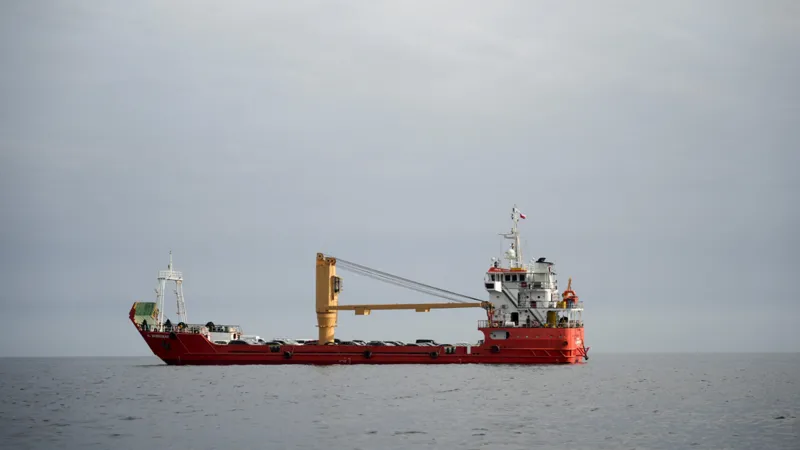
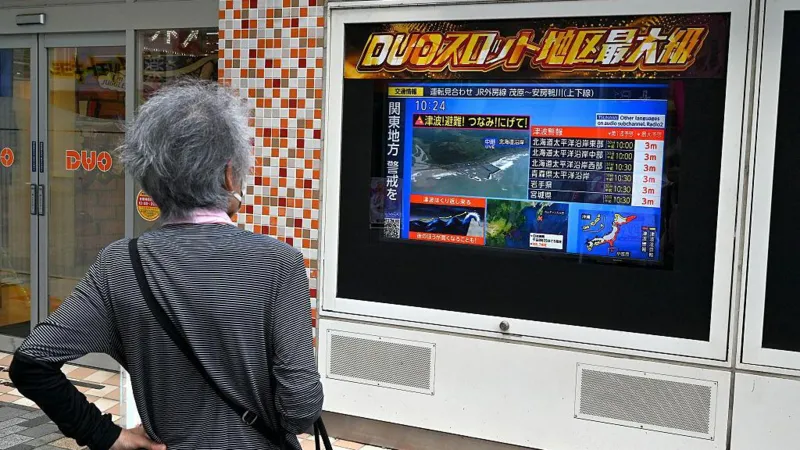
Workers at Japan’s embattled Fukushima nuclear plant were evacuated earlier on Wednesday after tsunami warnings were issued across the country.
The plant’s operator said all 4,000 of its workers had been evacuated, adding that there were no “abnormalities” detected.
It comes after a massive 8.7 magnitude earthquake struck off Russia’s far eastern coast, triggering warnings across the Pacific.
For many in Fukushima prefecture, the warning is likely to bring back memories of one of the worst nuclear disasters the world has seen.
In March 2011, Japan was hit by a devastating 9.0-magnitude earthquake and subsequent tsunami that went on to kill more than 18,000 people.
The tsunami flooded the plant, disabling its emergency generators and causing them to overheat – leading to a nuclear meltdown.
Hundreds of tons of extremely hazardous material still remain at Fukushima – and the challenges and controversies surrounding it are still very much present even now, more than 14 years later.
What happened at the Fukushima nuclear site?
On 11 March 2011 at 14:46 local time (05:46 GMT) an earthquake – known as the Great East Japan Earthquake – struck east of the city of Sendai, just 97km (60miles) north of the power plant.
Reactor buildings at Fukushima were damaged by hydrogen explosions caused by the earthquake and tsunami. The tsunami knocked out cooling systems to the reactors, three of which melted down.
The plant also suffered a number of chemical explosions which badly damaged the buildings, and to make matters worse, radioactive material began leaking into the atmosphere and the Pacific Ocean.
The government soon declared a 30km exclusion area around the plant, evacuating more than 150,000 people who were warned not to return due to radiation concerns.
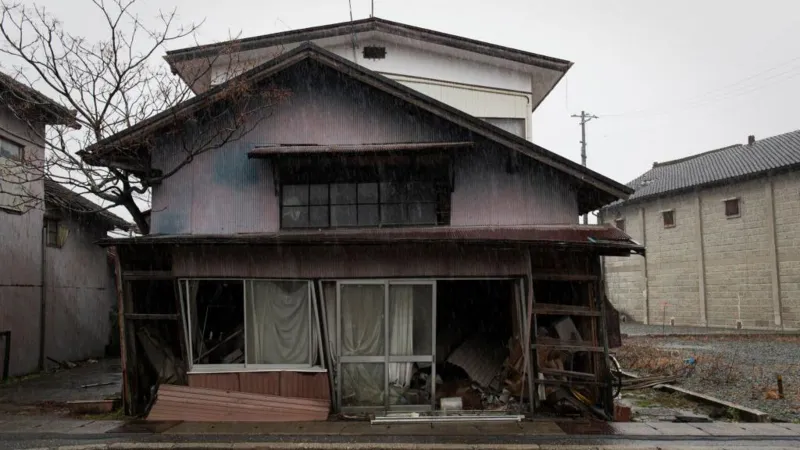
Even now, significant portions of the area are still restricted – with abandoned homes, empty neighbourhoods and faded storefronts to show for it.


Related Posts

Stay Informed With the Latest & Most Important News
Previous Post
Next Post





-
 01India crush New Zealand to win third T20 World Cup title
 -
02Trump’s signature to appear on US currency in first for sitting president
-
 03Porsche shares plunge after announcing EV rollout delay
 -
 04At least three US service members killed during Iran operation: CENTCOM
 -
 05Kashmir, spying, demolitions: How Modi’s India embraced ‘Israel model’
 -
 06What Trump’s increasingly aggressive attacks on Powell are all about
 -
 07Nine dead in missile attack on Israel as Iran strikes region