



Now Reading: What Pakistan cricket needed, Shadab Khan needed more
-
01
What Pakistan cricket needed, Shadab Khan needed more

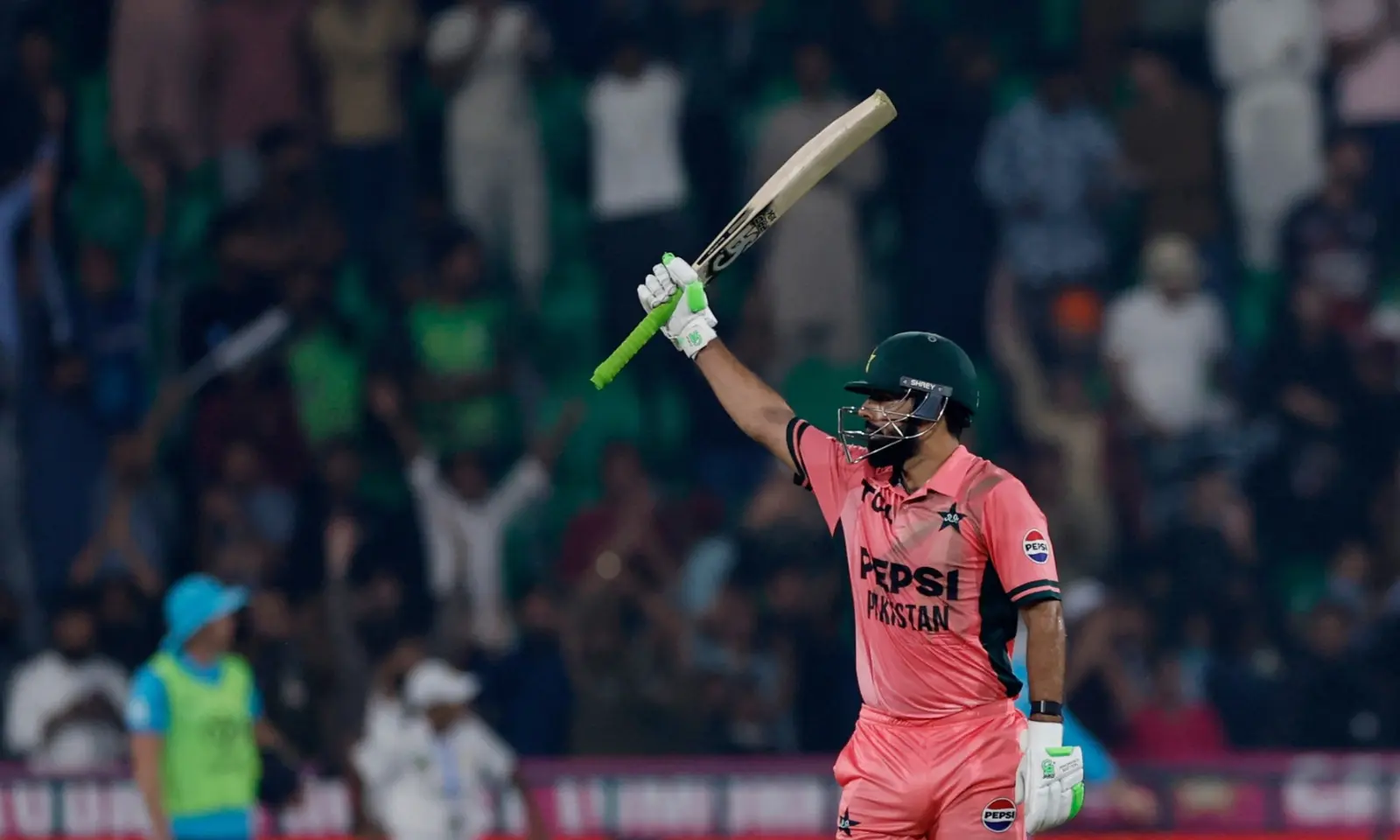
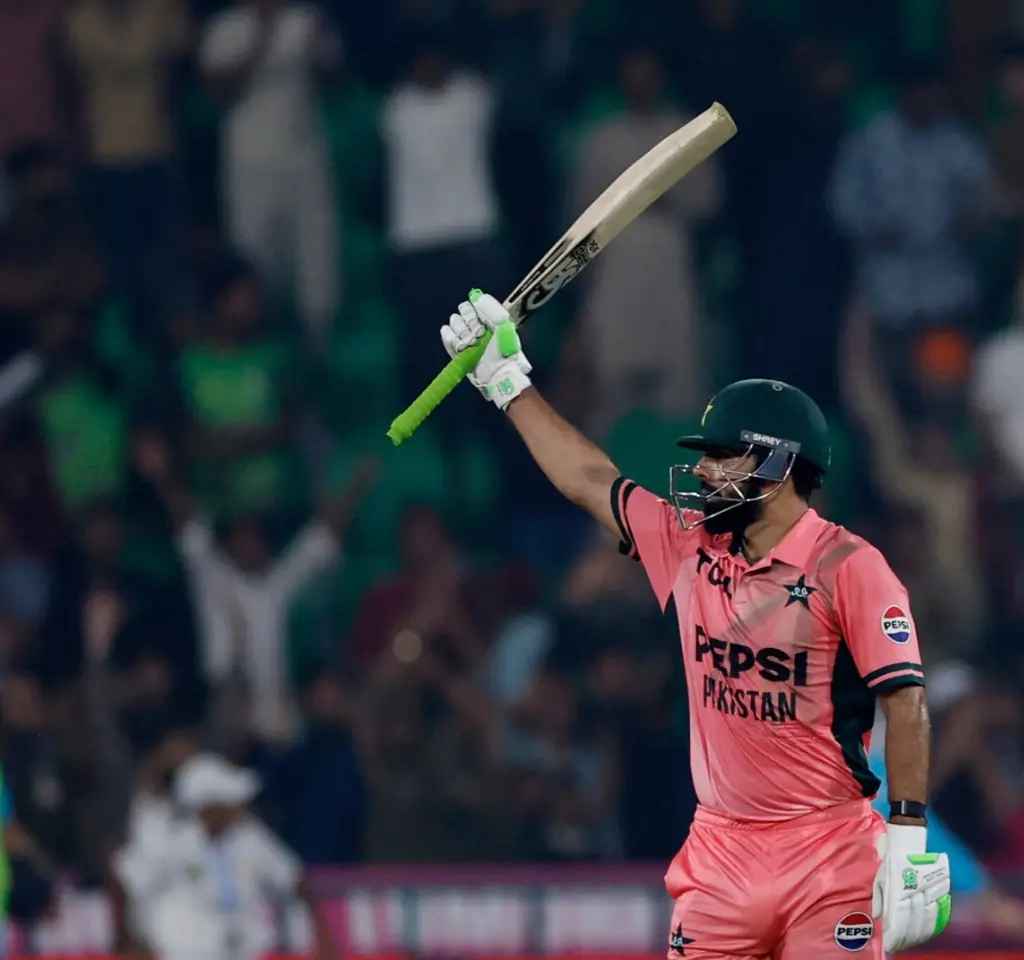
How much success you are capable of getting in sport is often directly proportional to how hungry you are for it. It is almost unfortunate that there is no real way to quantify desire, because the quantitative question of how much do you want it? could be a great marker to distinguish good competitors from the best.
And though quantifiable it is not, the way one behaves in want is the next best thing to assess its scale.
Think of an 18-year-old Shadab Khan during that one afternoon in London. You are bowling your first over, and less than an hour ago you had taken the catch that took the biggest wicket of them all, one ball after your team despaired because someone else had not.
The ball raps the pad of a batter who, though is now late in his career, has always been capable of the sort of demoralising destruction that would leave bowlers reeling. Just ask Stuart Broad.
The umpire does not give it out, but you are insistent. There are probably very few things that are less trustworthy than a bowler’s conviction when he is convincing his captain for a review, much less a young-blooded 18-year-old with nary a hair on his face.
But there are fewer things more convincing than the conviction of a sportsman who, more than anything, wants. The DRS showed three reds, and the rest is history.
It is always useful to begin any story about Shadab from that one summer day in 2017, from that instance of convinced despair, no matter how much it gets told to exhaustion.
Because the last few years have been more desperate than convincing for Shadab, and in the One-day International tri-series match against England at the Gaddafi Stadium in Lahore on Sunday, there were two reviews to show for it.
In the 28th over, Pakistan had found themselves in the sort of lukewarm lull that is usually characteristic of the side running out of ideas. After having England 50-odd for four, a fifth-wicket partnership between Sam Curran and Ben Duckett was slowly pumping momentum back towards England.
Duckett was nearing a century, and the captain’s decision to bowl over after over of not particularly threatening spin was increasingly appearing far too defensive.
Shadab, bowling round the wicket, spun the ball into Duckett’s pads, and immediately burst into an emphatic appeal, one that embodied the conviction of some nine years ago. This time though, he wasn’t successful, and the team burnt through a review.
But with the sort of underwhelming years Shadab has had with the ball in hand of late, it is almost understandable why the prospect of that, of anything possibly going his way, was so crucial.


Related Posts
Stay Informed With the Latest & Most Important News
Previous Post
Next Post







-
 01Mbappe, Real Madrid and La Liga face long road to redemption in China
-
 02Allies of US in the Gulf bear brunt of Iran attacks
-
 03Bangladesh’s BNP wins big in first election since Gen Z uprising, son of former ruler set to become prime minister
-
 04From ‘mazel tov’ to ‘conflicted,’ Jewish New Yorkers react to Zohran Mamdani’s mayoral win
-
 05BRICS wargames: Why they matter, why India opted out
-
 06Bangladesh ex-PM Sheikh Hasina indicted over deaths of hundreds of students
-
 07Steve Rosenberg: Putin uncompromising as leaked plan reaches Moscow