




Now Reading: Trump aims to change the nation and further cement his power as deadline looms for ‘big, beautiful bill’
-
01
Trump aims to change the nation and further cement his power as deadline looms for ‘big, beautiful bill’
Trump aims to change the nation and further cement his power as deadline looms for ‘big, beautiful bill’

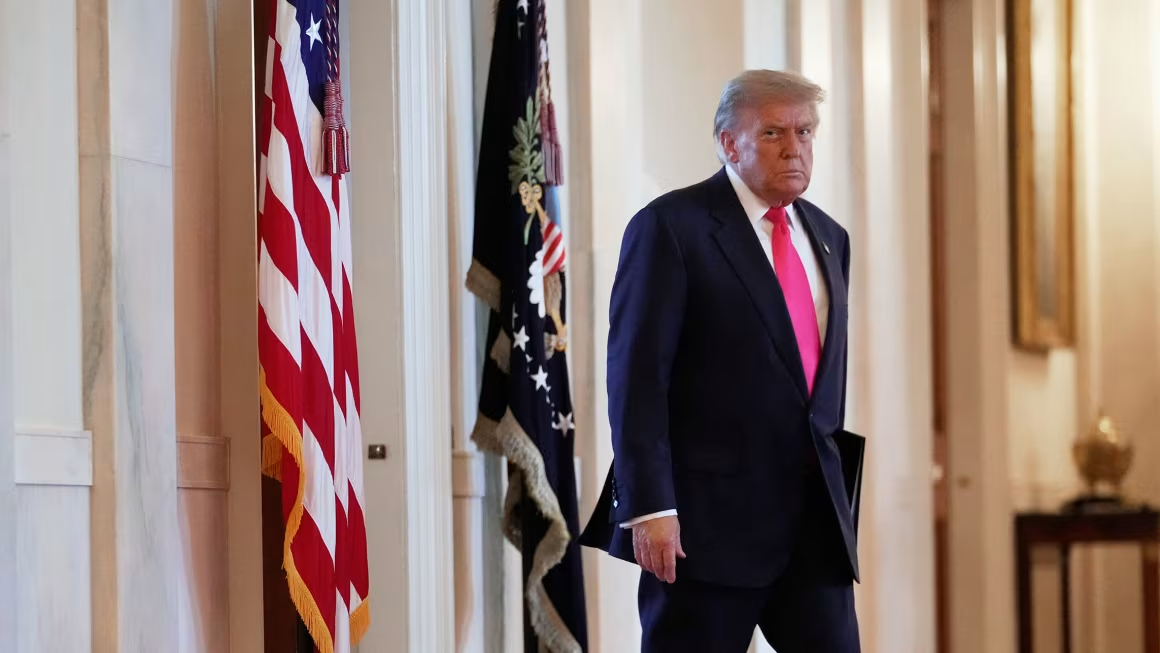
Trump aims to change the nation and further cement
WNN — President Donald Trump has the chance to accelerate his political momentum and tighten his power grip on the country by driving his most significant piece of second-term legislation through Congress and taking a July Fourth victory lap. The measure, dubbed the “One Big Beautiful Bill Act” with the president’s trademark provocative hyperbole, is Trump’s attempt to engineer lasting change through legislation in an administration that is also wielding huge and questionable executive power. It is significant for its own sake, both ideologically and symbolically. And its blend of vast tax cuts and reductions in social safety-net spending will have far-reaching political impacts for the country, Trump’s legacy and the GOP. It codifies some of Trump’s key goals — from financing his deportation crackdown to slashing green energy projects. The legislation, which offers new benefits to working Americans but more strikingly rewards the rich, is a snapshot of the transformation and contradictions of the modern Republican Party. But the bill is also part of the wider story of Trump’s second term. Days after he bombed Iran; stopped it and Israel firing missiles at each other; and celebrated a Supreme Court ruling that will facilitate his aggressive claims of executive authority, passing the bill would exemplify the growing power of a president dominating and disrupting this era in the US and abroad.
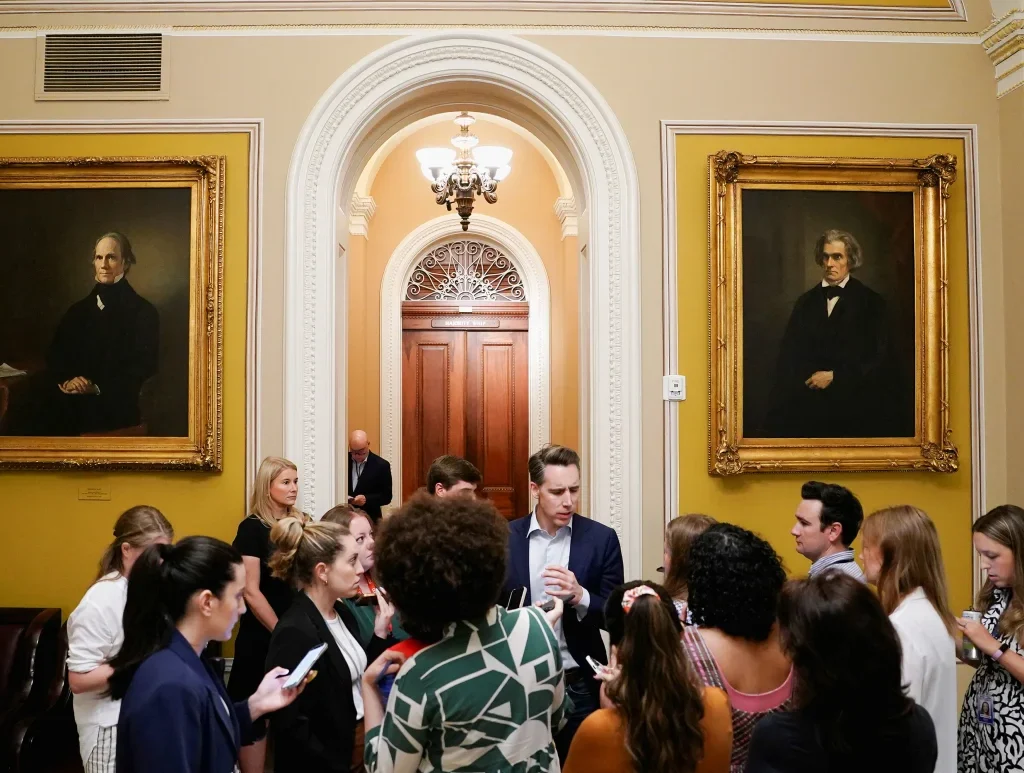
‘Big, beautiful bill’ may define Trump’s second term, for better or worse
This bill is the most tangible way for Trump to implement his 2024 campaign promises.
Presidents always face intense pressure to enshrine their attempts at political transformation into law. Doing so is critical to repaying their core supporters and replenishing their political capital. Failed legislative leaps erode perceptions of presidential power in Washington. And while the bill has plenty of provisions Republican lawmakers may find hard to defend, they’d dread an exhibition of failing to act on the mandate they believe they were handed by GOP voters even more.
Furthermore, streaming platforms have dipped into the reality genre themselves, but with more focused, niche offerings like The Circle or Love Is Blind. These shows cater to specific audiences and thrive on the binge-watching format, leaving older reality shows struggling to maintain weekly viewer engagement.
Platforms like TikTok, Instagram, and YouTube offer a more authentic and unfiltered look into people’s lives than traditional reality shows. Influencers, with their real-time interactions and behind-the-scenes content, have become the new reality stars. The constant flow of content from influencers feels more personal and less produced, which resonates with today’s audiences.
Another Trump priority is boosting the exploitation of fossil fuels and unleashing the production of new American energy. The bill ends many Biden administration tax breaks and subsidies for alternative energy sources under what this White House calls the “Green New Scam.” But Democrats warn the bill is a job-killer for an emergent US green energy industry and a gift to global competitors such as China and Europe.

The Medicaid storm
The most politically consequential impact of the bill could lie in its attempt to push more of the burden of Medicaid spending onto the states and to introduce new work requirements for recipients of the federal health program. Republicans insist the bill will secure access and make the program more efficient. “We are spending at a rate that we cannot continue. And, ultimately, that means that these programs would one day be insolvent for the very people that need them,” Britt said on “State of the Union.” “We want them to be safety nets, not hammocks that people stay in.” But not all Republicans agreed. Missouri Sen. Josh Hawley secured delays in the implementation of some of changes to Medicaid before agreeing to vote for the bill. North Carolina Sen. Thom Tillis warned that many people in his state would lose Medicaid coverage under the bill and voted against advancing it Saturday, earning a Trump blast on social media. Hours later, Tillis, one of the few remaining GOP senators ready to criticize the president, announced he wouldn’t seek reelection next year, setting up an even more consequential race in his swing state.


Related Posts


Stay Informed With the Latest & Most Important News
Previous Post
Next Post






-
 01North Korea boosts support for Russia to include drone operators, Ukraine says
 -
 02More blasts rock Dubai, Doha and Manama as Iran targets US assets in Gulf
 -
 03Trump says he wasn’t aware term ‘Shylock’ viewed as antisemitic after using it at rally
 -
 04Putin says Russian air defenses responsible for Azerbaijani jet’s crash last year, killing 38
 -
05How Pakistan helped secure a fragile ceasefire between the US and Iran
-
 06Nine dead in missile attack on Israel as Iran strikes region
 -
 07US military kills 8 in latest attacks on vessels in eastern Pacific