

Now Reading: Middle East on edge as fears mount that Iran war could restart after the midterms
-
01
Middle East on edge as fears mount that Iran war could restart after the midterms
Middle East on edge as fears mount that Iran war could restart after the midterms

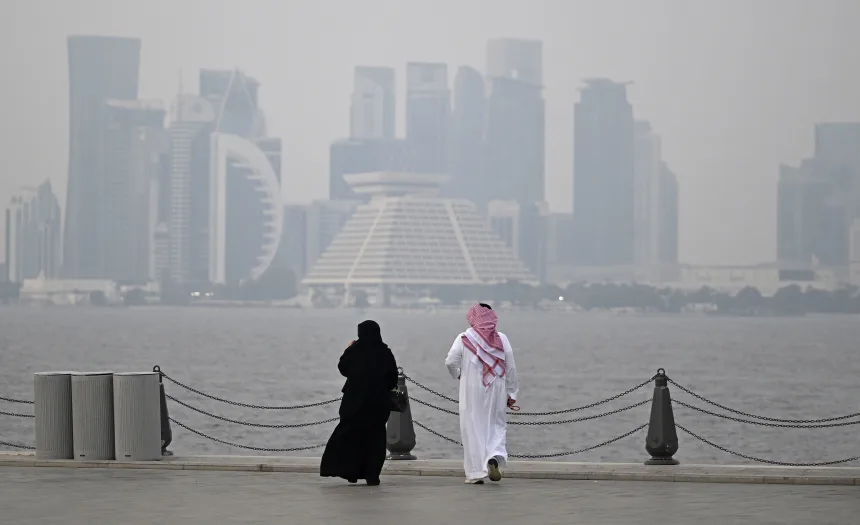
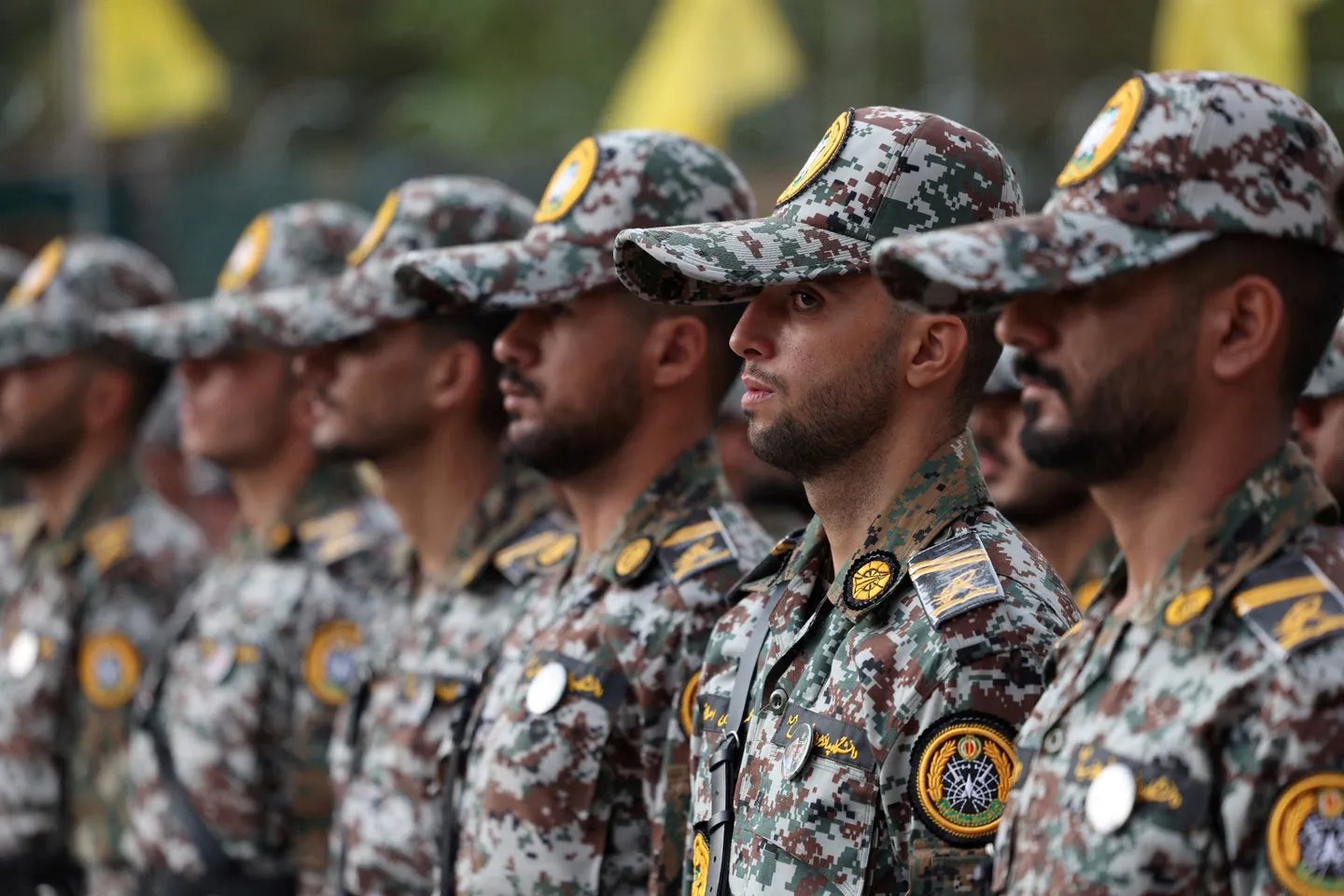
With little transparency from Washington and warmongering from Tehran, people across the Middle East have been left anxious and confused, scanning for signals on whether the conflict between Iran and the United States will reignite.
“The mood has definitely shifted,” a 36-year-old American national living in Saudi Arabia told . She plans to leave before Tuesday’s midterms, after which US President Donald Trump has hinted renewed fighting is possible.
“People are more cautious in general, and it feels like a waiting game to see what happens,” she added.
At homes and workplaces across Gulf Arab countries, questions are swirling. Residents are searching for clues that could help them make plans in case of school closures or travel disruption.
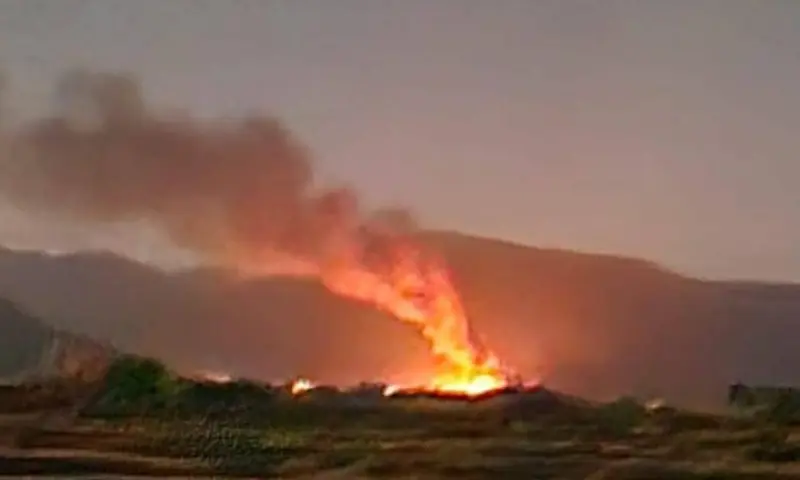
The war began in February when the US and Israel launched strikes on Iran that killed Supreme Leader Ali Khamenei. It entered its eighth month this week with both sides still locked in a stubborn stalemate, neither making progress diplomatically nor capable of breaking the military impasse.
Trump wrote on social media earlier this month that Washington “will not be attacking Iran at any time prior to the midterm elections.” That the US president neither ruled out nor confirmed strikes would resume afterward is part of the reason for the ongoing nerves.
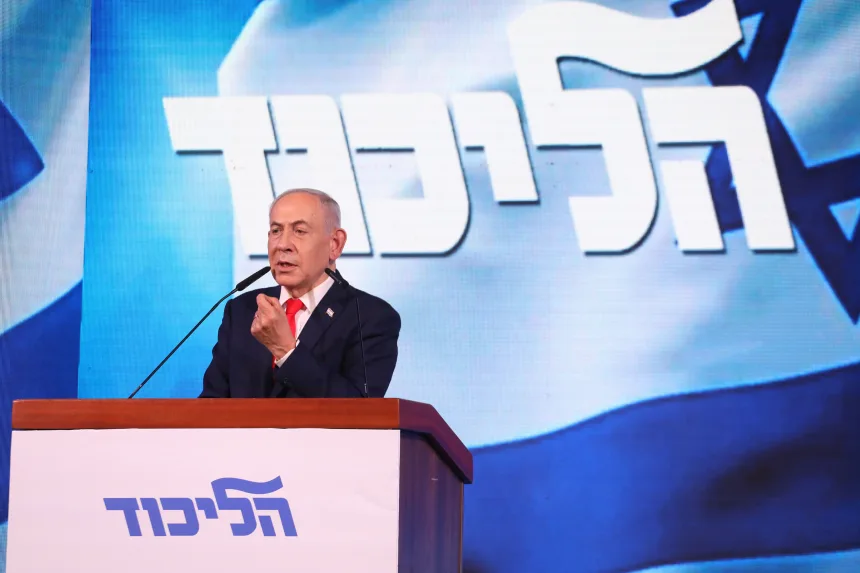
Trump also spoke with Israeli Prime Minister Benjamin Netanyahu on Saturday amid the possibility of renewed strikes on Iran. The contents of the call were unclear, though Axios, which first reported it, said the conversation was related to Iran.
Asked Sunday about his conversation with Netanyahu, Trump provided no details, saying only that he “had a very good talk” with the prime minister.
“The US has been actively feeding into this regionwide sense of anxiety as it keeps signaling that another round of escalation might be imminent,” Hasan Alhasan, a senior fellow for Middle East
In the absence of clarity, residents in the region often rely on hearsay or search social media for reports on troop movements to determine whether a US strike is imminent.
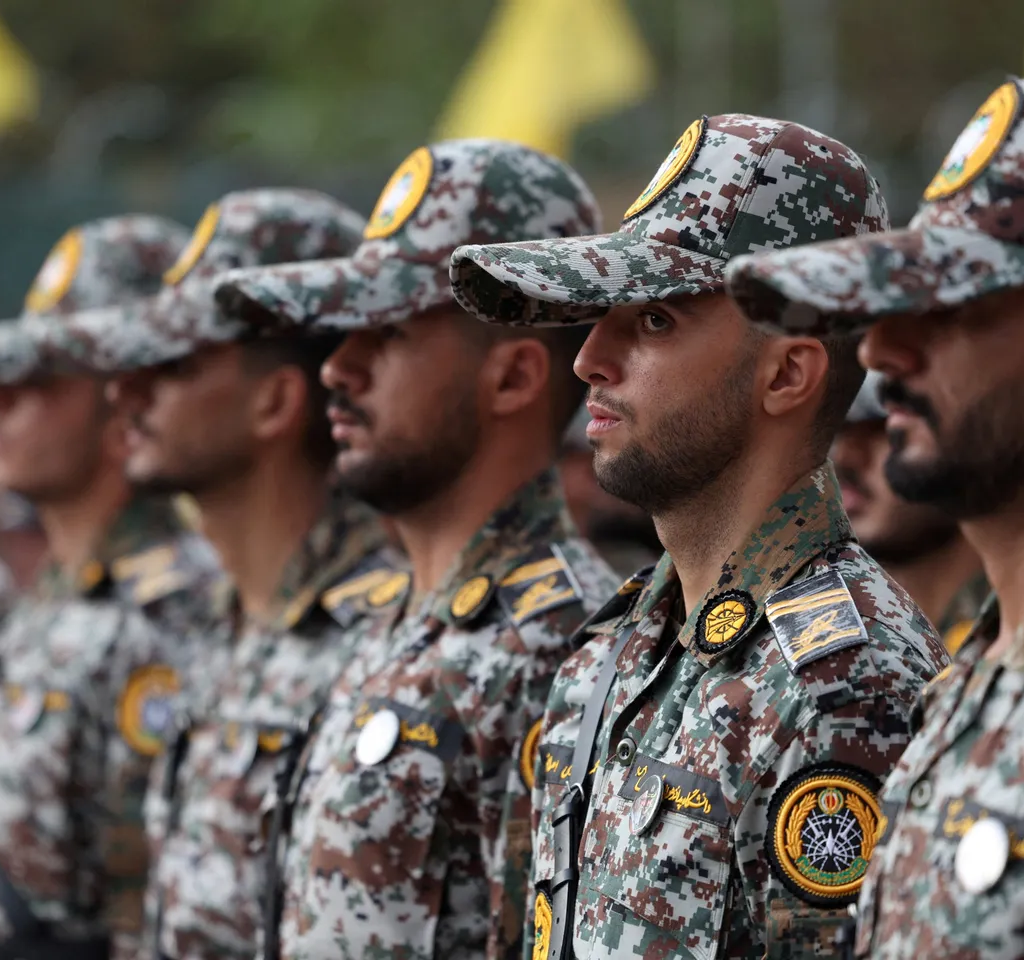
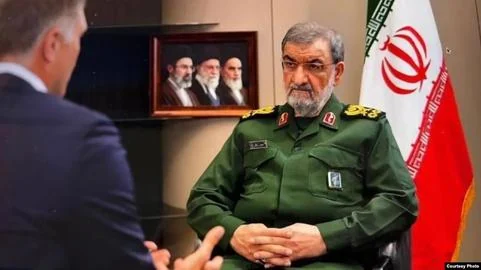
Over the past month, Iranian military commanders have also intensified a series of public messages claiming that Iran has built up large stockpiles of new weapons, a tactic designed to induce fear among Washington’s allies in the region.


Related Posts
Stay Informed With the Latest & Most Important News
Previous Post
Next Post


-
 01The AI military complex: Which are the main companies in it?
-
 02Security forces kill 13 terrorists in two separate intelligence-based operations in KP
-
 03Photos: Zohran Mamdani becomes New York City’s first Muslim mayor
-
 04North Korean hackers bug software used by thousands of US companies in potential crypto heist attempt
-
 05Parents of missing 7-month-old California boy are charged with murder
-
 06Supporters of jailed ex-PM Imran Khan begin march in Pakistan
-
 07Why did Israel jail journalist who witnessed Shireen Abu-Akleh’s killing?