




Now Reading: Syria after Assad: Why Israel’s vow to ‘protect’ the Druze is hollow
-
01
Syria after Assad: Why Israel’s vow to ‘protect’ the Druze is hollow

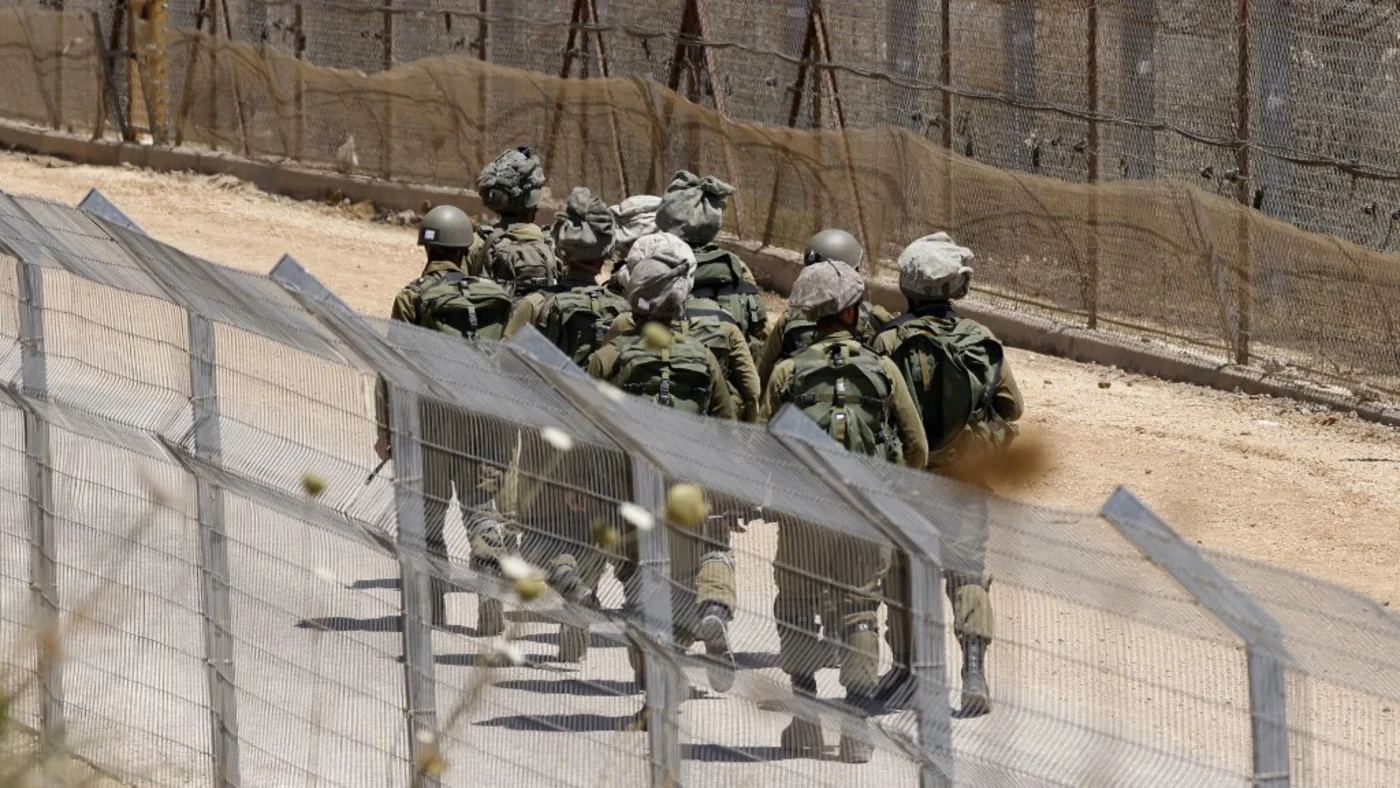
It is impossible to remain indifferent to the scenes emerging from southern Syria, particularly from Sweida province.
These events are unfolding at a rare moment of regional consensus – among Saudi Arabia, Turkey, Qatar and the United States – after 14 years of bloody civil war that displaced millions of people. For the first time since the fall of Bashar al-Assad’s regime last December, there was real hope that Syria could finally enter a new chapter of national stability and reconstruction under President Ahmed al-Sharaa.
But anyone who assumes this transition will be smooth is mistaken. The war left deep scars.
Millions endured unspeakable horrors under Assad’s rule, as a sectarian structure underpinned the regime’s survival strategy. This legacy is now re-emerging.
Last week, sectarian tensions reignited in Sweida as violence broke out between Druze communities and Bedouin tribes. These events demonstrated once again the dangers of sectarianism in a country still grappling with thousands of former fighters and youth who have yet to reintegrate into civilian life.
Strategic quagmire This discourse reflects Israel’s strategic quagmire – a trap of its own making. The war in Gaza, alongside Israel’s perpetual war doctrine, is not only morally catastrophic; it also serves as a distraction, allowing Israel to posture as the defender of Middle Eastern minorities.
According to this narrative, Israel’s violence in Gaza is legitimised through a vision of the region modelled after itself: fragmented, divided along ethnic and religious lines, and incapable of producing multiethnic, pluralistic nation-states.


Related Posts

Stay Informed With the Latest & Most Important News




-
 01Russia launches record number of drones at Ukraine after latest Trump-Putin phone call
 -
 02Iranian strikes on bases used by US caused $800m in damage, new analysis shows
 -
 03Trump says ‘good friend’ India may face up to 25% tariffs
 -
 04German chancellor warns of trade imbalance with China during first Beijing trip
 -
 05Iran’s latest warning to the US signals the hardliners are just getting started
 -
 06No food, no fuel, no tourists: Under US pressure, life in Cuba grinds to a halt
 -
 07Nepal in a bind as US-China drone war reaches Everest