



Now Reading: What will happen now that Trump has turned on Putin?
-
01
What will happen now that Trump has turned on Putin?

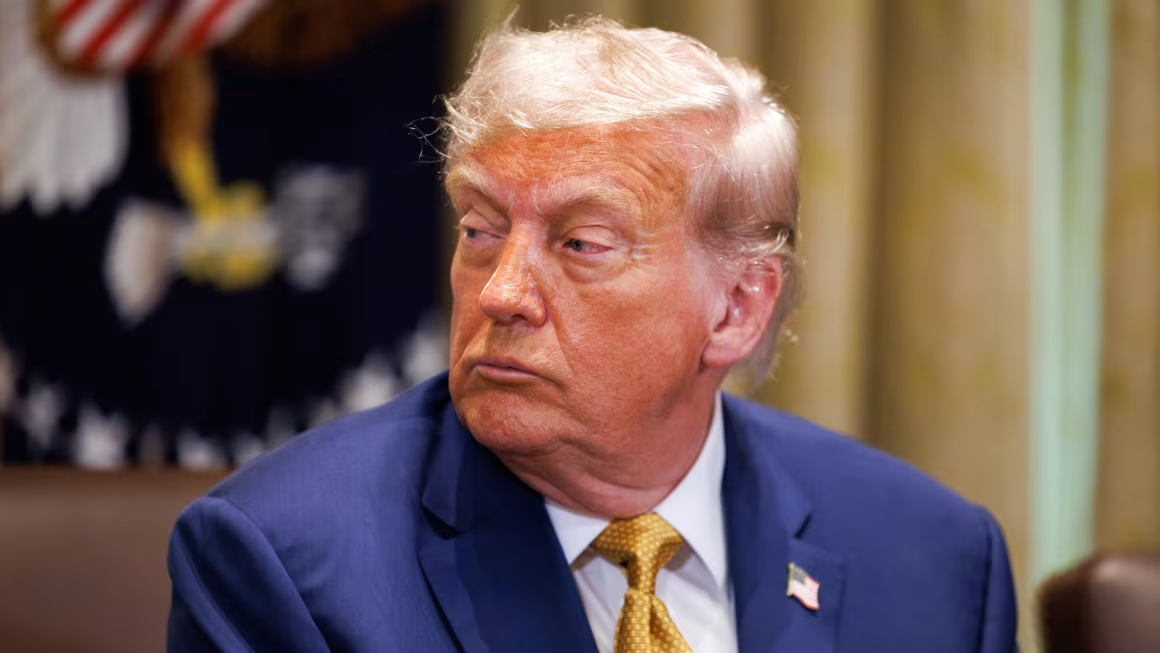
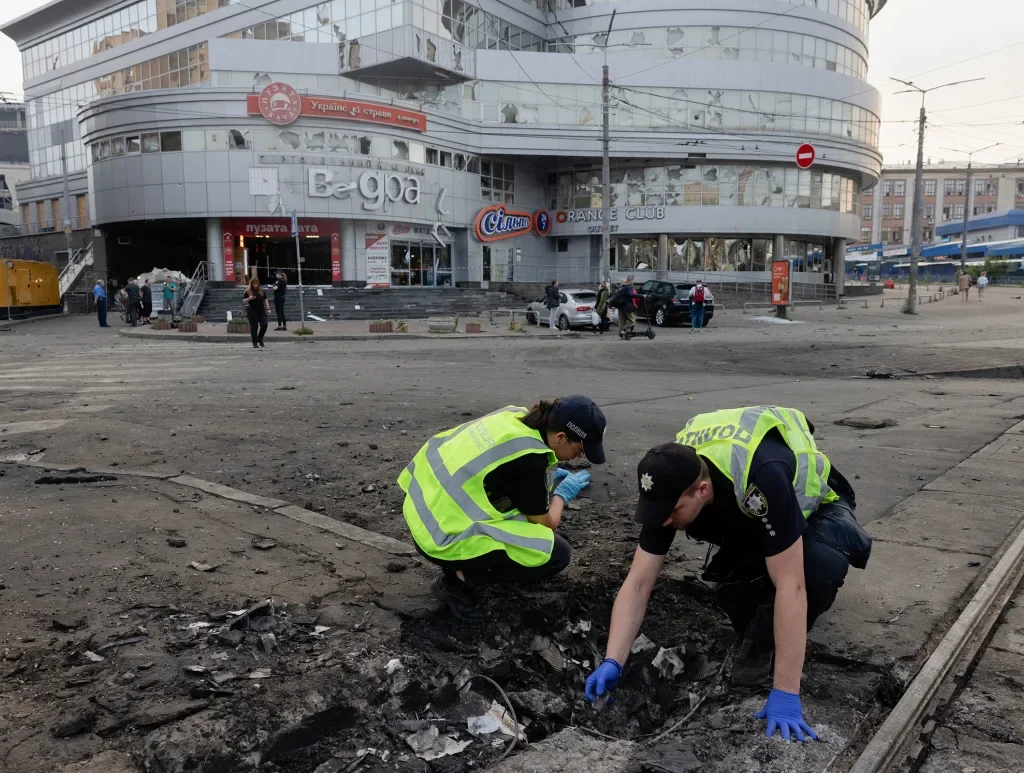
President Donald Trump seems to have learned the lesson painfully gleaned by all his 21st-century predecessors: You can’t reset US relations with Vladimir Putin. Trump’s path from idolizing the Russian leader to berating him has been a melodrama of personalized geopolitics. But what happens next is far more important. The president’s epiphany offers new possibilities for Ukraine, Putin’s critics in Congress and America’s browbeaten allies. But it also comes with risk — most notably of a test of wills between alpha males Trump and Putin, who control the world’s two top nuclear arsenals. Trump always tries to up the ante with foreign friends and foes with rhetoric and tariffs. But now he’s up against a ruthless adversary who raises the stakes not with bluster, but with human lives, as intensifying drone blitzes on Kyiv — a clear message to the White House — show.
Such is Trump’s transactional nature that it’s fair to ask how long his hostility toward his erstwhile friend in the Kremlin will last. And even though he’s talking about helping Ukraine defend itself, it’s hard to see his transformation extending to match the tens of billions of dollars in military and financial aid sent to Kyiv by the US Congress during the Biden administration.
However, the president told NBC News on Thursday that he has secured a deal through NATO to send new Patriot anti-missile missiles to Kyiv that it badly needs to repel Russian attacks on civilian targets.
“We’re sending weapons to NATO, and NATO is paying for those weapons, a hundred percent,” the president said. “We’re going to be sending Patriots to NATO and then NATO will distribute that,” he added. The exact parameters of the deal were not immediately clear, and WNN has reached out to the alliance.
But even as Trump turned on Ukrainian President Volodymyr Zelensky after returning to office — including in a notorious Oval Office blow-up — Putin spurned all of the US president’s exceedingly generous terms for a ceasefire and an eventual peace agreement. Putin’s motives are an important consideration here. From a Western perspective, the Russian leader may be guilty of an extraordinary self-inflicted political gaffe. He could have had a US-backed peace deal that Ukraine’s allies in Europe feared would reward his aggression, that locked in the territorial gains of the invasion, and that would have set in stone that Ukraine would never have a path to NATO membership.
But imposing Western logic on Putin’s calculations has always been a mistake. (This was a factor in the Obama administration’s misreading of the Russian leader ahead of his first escapade in Ukraine — the annexation of Crimea in 2014.)
Putin made clear before the invasion that he sees the conflict as righting a historic wrong — both over Russia’s age-old claims to Ukraine and his wider grievances that date back to the fall of the Berlin Wall, which he watched with dismay from his post as a KGB lieutenant colonel in communist East Germany. Putin talks of the “root causes” of the war. This is code for a number of Russian grievances that include the existence of a democratic government in Kyiv. It sometimes refers to Moscow’s claims that it is threatened by NATO expansion after the Cold War and to its desire to see alliance troops withdrawn from former communist states once in the Soviet Union’s orbit, such as Poland and Romania.


Related Posts
Stay Informed With the Latest & Most Important News
Previous Post
Next Post



-
 01With global sales slumping, Tesla tries to break into a new market
 -
 02Ex-police chief said Trump told him in 2006 ‘everyone’ knew of Epstein’s behaviour
 -
 03Trump lands another big win with EU trade deal, but he can’t dodge the Epstein saga
 -
 04‘Technical fault’: Driverless car crashes into police van in Islamabad
 -
 05Trump’s world order hangs over Europe on eve of key defence conference
 -
 06Trump’s ‘big, beautiful bill’ might be unloved and a mess – but it will still probably pass
 -
 07Are Christians being persecuted in Nigeria as Trump claims?