




Now Reading: Ukraine’s battlefield optimism is ebbing as Russia threatens its ‘fortress belt’
-
01
Ukraine’s battlefield optimism is ebbing as Russia threatens its ‘fortress belt’
Ukraine’s battlefield optimism is ebbing as Russia threatens its ‘fortress belt’

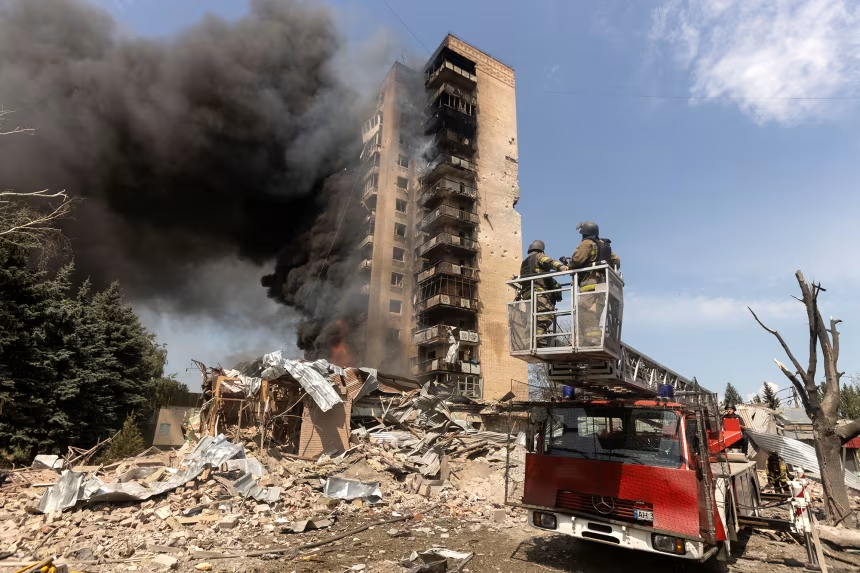
Iryna Rybakova is horribly aware that the front line is inching toward Kramatorsk. Having served in eastern Ukraine for several years, she has watched her units being pushed from one strategic hub after another. But she said the past few weeks have been “insane.”
The city remains one of Ukraine’s last strongholds in the Donbas region, but the Russians are getting dangerously close. Nearly all of the city’s bridges have been destroyed, and barrages of guided bombs and drones are now a daily reality.
“The attacks happen dozens of times a day. Dozens of cars, utility buildings, residential buildings, administrative buildings, and garages have been hit; they’re just setting everything on fire,” Rybakova, who serves as a press officer with Ukraine’s 93rd mechanized brigade and is based in Kramatorsk,
“Toward the evening and in the morning, almost no one is out and about,” she said. “During the day, there are gunmen everywhere … everyone walks around with a rifle, goes out for a coffee with a rifle, heads to the store with a rifle and so on because drones are everywhere now and you never know. They can strike at any moment
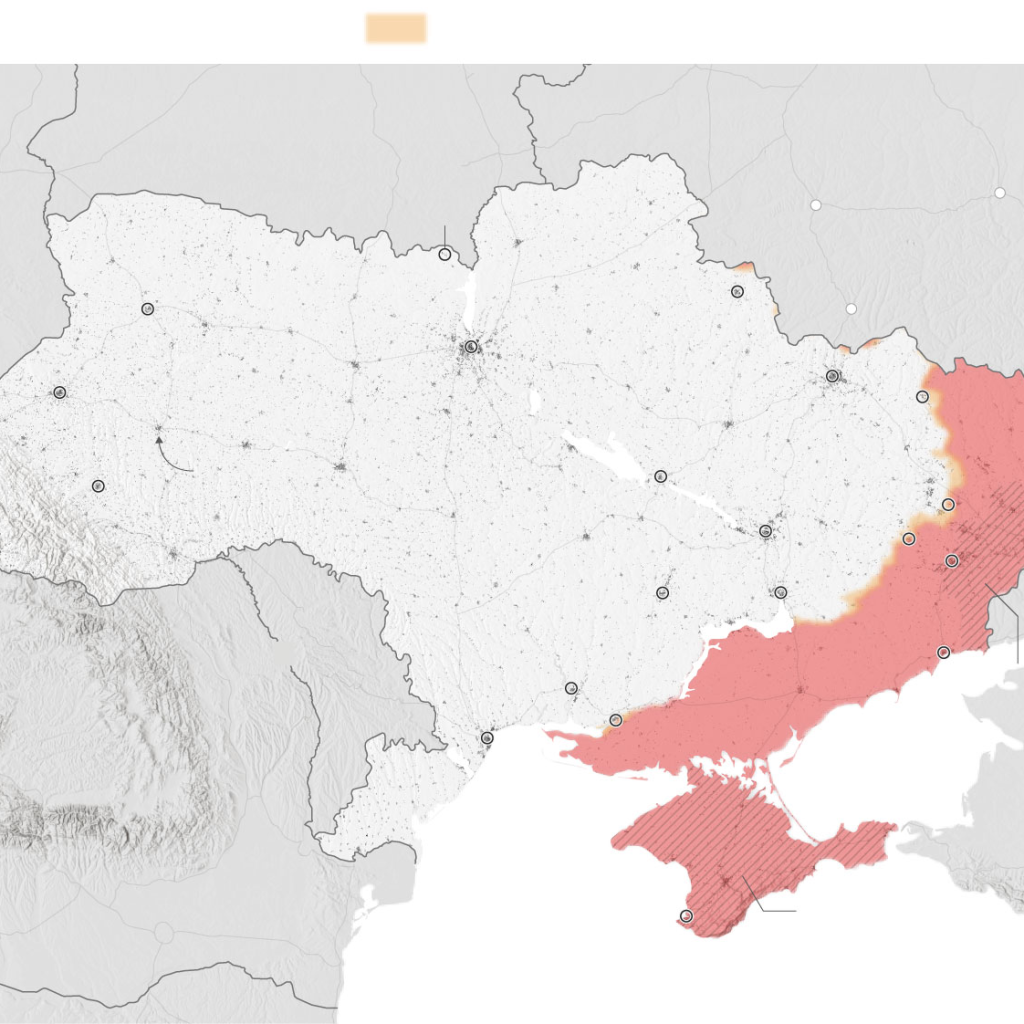
Russia advanced or infiltrated into about 124 square kilometers (47.8 square miles) of Ukraine’s territory in August, roughly a quarter of the amount of terrain it seized in the same month last year, according to ISW.
This is a glacial pace, and it comes at a massive cost to Moscow. Western intelligence services estimate Russia is losing some 40,000 troops a month – a rate of roughly 340 casualties for every square kilometer.
But unfortunately for Ukraine, Russia is chipping away at the so-called “fortress belt” in the east, a string of four industrial cities that form the backbone of Ukraine’s eastern defenses.


Related Posts

Stay Informed With the Latest & Most Important News





-
 01Nepal death toll crosses 1,000 as rescuers race to find workers trapped in mud-filled tunnels
 -
 02Is the US ready to invade Iran? What Trump’s moves tell us so far
 -
 03Four dead in Russian attack as diplomatic efforts to end war continue
 -
 04The US just took out two China-friendly leaders in two months. Why has Beijing done very little about it?
 -
 05As South Korea’s population falls, its military is shrinking rapidly. Is that a problem as North Korea ramps up its forces?
 -
 06Trump says he’ll send new weapons to Ukraine
 -
 07Why Trump is threatening to blockade a strait that Iran is already blockading