




Now Reading: Two blasts a day apart in India and Pakistan’s capitals fray regional nerves in an already tense year
-
01
Two blasts a day apart in India and Pakistan’s capitals fray regional nerves in an already tense year
Two blasts a day apart in India and Pakistan’s capitals fray regional nerves in an already tense year


In a bustling Delhi neighborhood, forensics teams combed through the charred skeleton of a car. Less than 24 hours later, the air outside Islamabad’s judicial complex was thick with the aftermath of a suicide bomb.
The two deadly attacks are separate, and no evidence currently links the two. But for the two South Asian rivals, the political shockwave caused by the blasts are a stark reminder of the lingering security issues that fester below the surface throughout the region.
Explosions in their heavily fortified capitals are a rarity, and two in as many days have put officials in India, Pakistan and Afghanistan on edge, potentially reigniting a cycle of suspicion and blame after what has already been a tense year for all countries.
A suicide bombing in Islamabad on Tuesday killed at least 12 people and injured 20 more, marking the deadliest such attack to strike the Pakistani capital in nearly two decades. It came just a day after a rare car explosion tore through a historic Delhi neighborhood, killing at least 10 and leaving more than a dozen wounded.
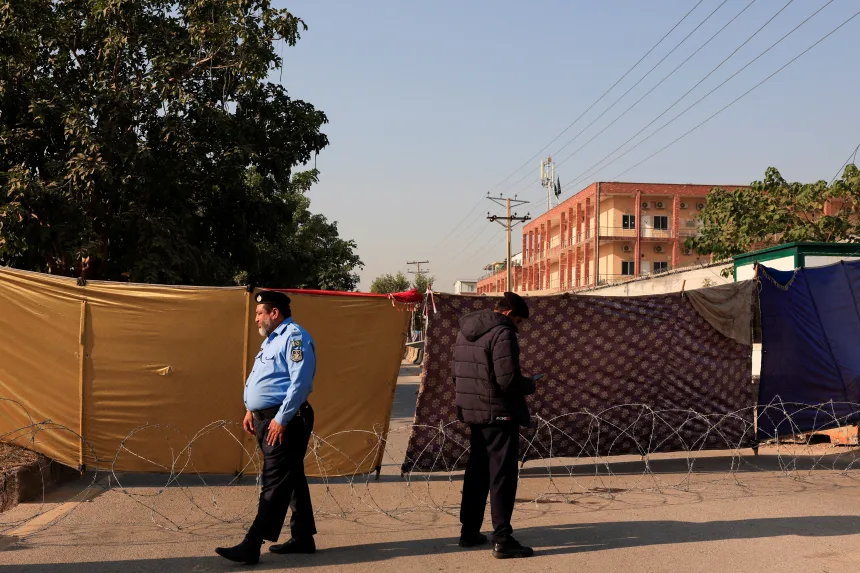
The twin tragedies have handed political hardliners in both New Delhi and Islamabad a potent weapon, ratcheting up domestic pressure on each government to act decisively.
The blame game ignited almost immediately.
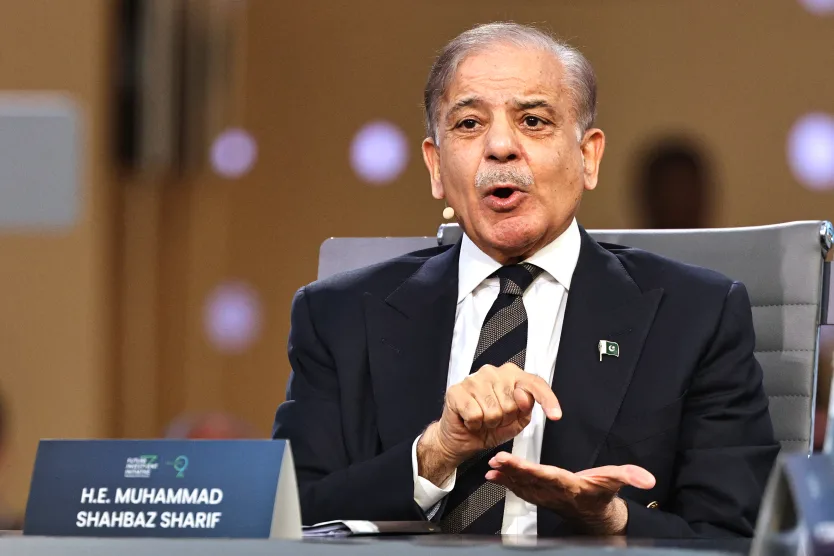
Pakistan’s Prime Minister Shehbaz Sharif, without providing evidence, accused “Indian terrorist proxies” for the Islamabad attack, claiming it was “backed by India” from Afghan soil. New Delhi fired back, rejecting the “baseless and unfounded allegations” as “desperate diversionary ploys.”
Addressing the Delhi blast, Indian Prime Minister Narendra Modi vowed to bring “all those responsible… to justice.” On Wednesday, the Indian government called the explosion a “terrorist incident,” which was “perpetrated by anti-national forces.”
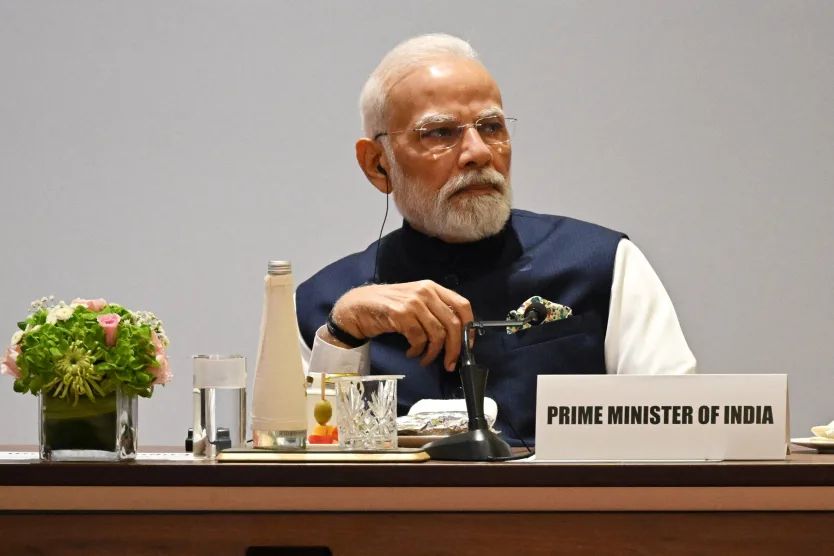
New Delhi has not named Pakistan in connection with the explosion, and authorities have so far remained tight lipped as to who they believe might be responsible. But in past attacks, India has frequently pointed the finger at Islamabad, which is what makes this week’s twin attacks potentially fraught.
“We are witnessing an increasingly fragile security environment across South Asia,” said Farwa Aamer, director of South Asia Initiatives at the Asia Society Policy Institute.
“South Asia cannot afford further confrontation; the region is being held together by fragile ceasefires with no long-term resolution. What’s needed now is restraint, reflection, and a commitment to reset the regional course toward stability.”
Secure capitals
While both India and Pakistan have historically faced significant security threats, their capitals are meant to be fortresses – home to the seats of government, military leadership, and the diplomatic corps.


Related Posts
Stay Informed With the Latest & Most Important News
Previous Post
Next Post





-
 01Trump’s new battleship plan could transform the US Navy – or sink it
 -
 02Five things now pricier in Canada due to tariffs
 -
 03US approves $93m arms sale to India as trade tensions ease
 -
 04Three-time MVP Nikola Jokić will delay signing extension with Nuggets this summer, AP source says
 -
 05For first time, two leading Israeli human rights groups accuse Israel of genocide in Gaza
 -
 06Asia Cup: Pakistan beat UAE to enter Super Fours; face India on Sunday
 -
 07A Trump-shaped shadow looms over FIFA’s grand plans for the 2026 World Cup