



Now Reading: Mines, missiles and miles of coastline: Why Iran has the upper hand in the Strait of Hormuz
-
01
Mines, missiles and miles of coastline: Why Iran has the upper hand in the Strait of Hormuz
Mines, missiles and miles of coastline: Why Iran has the upper hand in the Strait of Hormuz

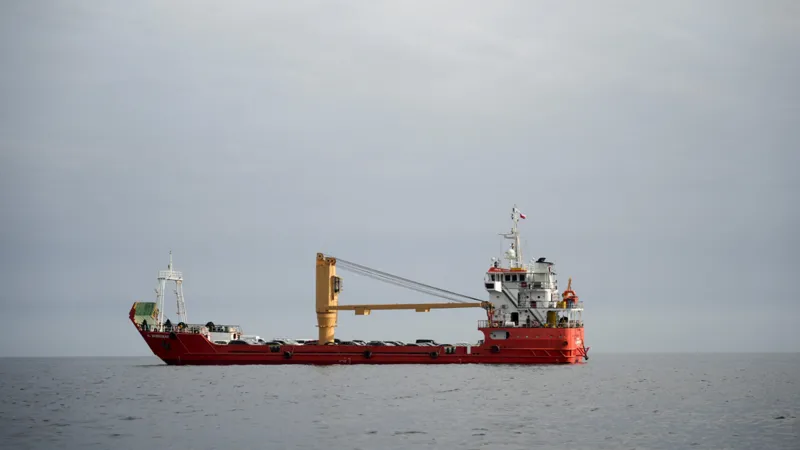
The Strait of Hormuz has been effectively closed for almost four weeks – throwing global oil markets into chaos – and there is no clear end in sight. Iran’s threats and attacks on vessels in the Gulf have raised the risk of transit enough to stop almost all traffic through the narrow waterway, which is the main conduit for about 20% of the world’s oil and natural gas, plus fertilizers that help grow crops the world relies on. As the energy crisis deepens, US President Donald Trump has touted diplomatic efforts to end the blockade, while also moving to deploy thousands more troops to the Middle East and looking into possible US Navy escorts for oil tankers.
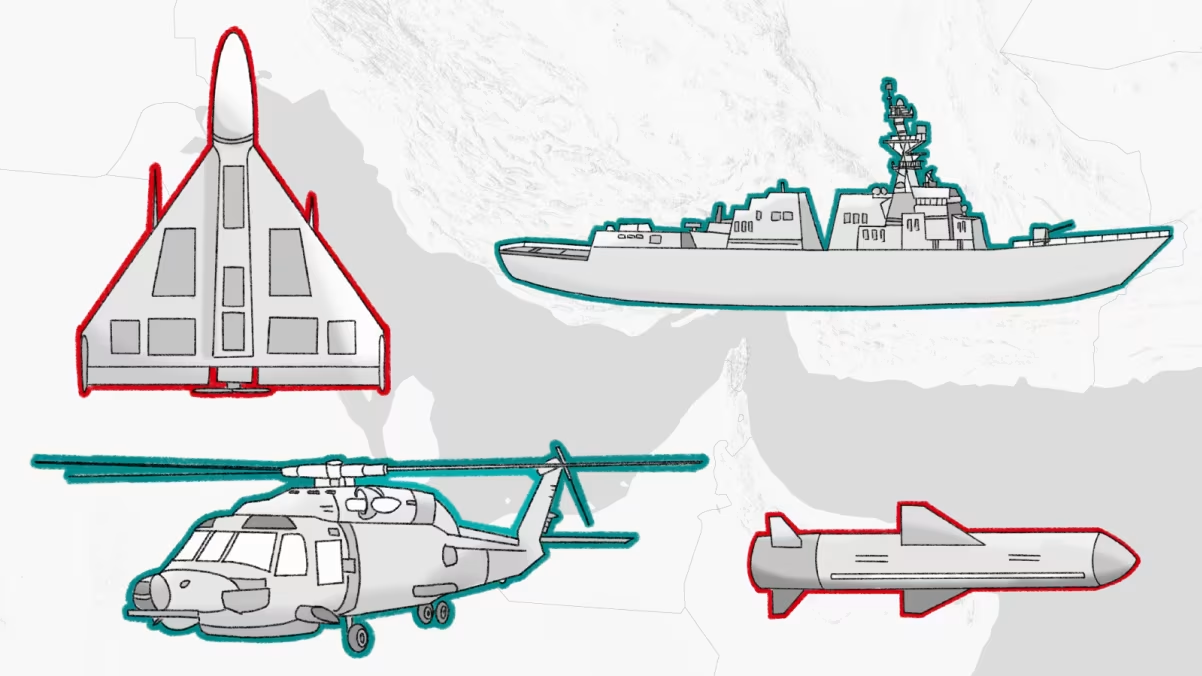
But Iran still has the upper hand in many ways – in part because of its unconventional warfare methods, including cheap drones and sea mines, and in part because of its geography. Taken together, these two realities make it harder for the United States or others to defend vessels or to secure the strait militarily.
And it’s lucrative for Iran to retain control. Iranian officials have said they will continue charging fees for the safe passage of some tankers through the strait, after Lloyd’s List Intelligence releasedon March 23 saying at least two vessels had paid large sums to cross.
Why does the geography favor Iran?
The Strait of Hormuz is about 24 miles across at its narrowest point, according to the shipping analytics firm Vortexa. And almost all traffic goes through two main shipping lanes that are even more squeezed.
“It is described as a chokepoint for a good reason. There are supposedly a lot of chokepoints around the world. But you could argue that this is a uniquely challenging one, because there are no alternatives,” said Nick Childs, senior fellow for Naval Forces and Maritime Security at the International Institute for Strategic Studies (IISS).
The Strait of Hormuz is only 24 miles wide at its narrowest point
The Strait of Hormuz runs between Iran and Oman, with their Exclusive Economic Zones (EEZ) meeting in the middle. The narrowness of the waterway makes it easier for Iran to attack vessels, because ships don’t have space to make maneuvers or warning time to escape threats.
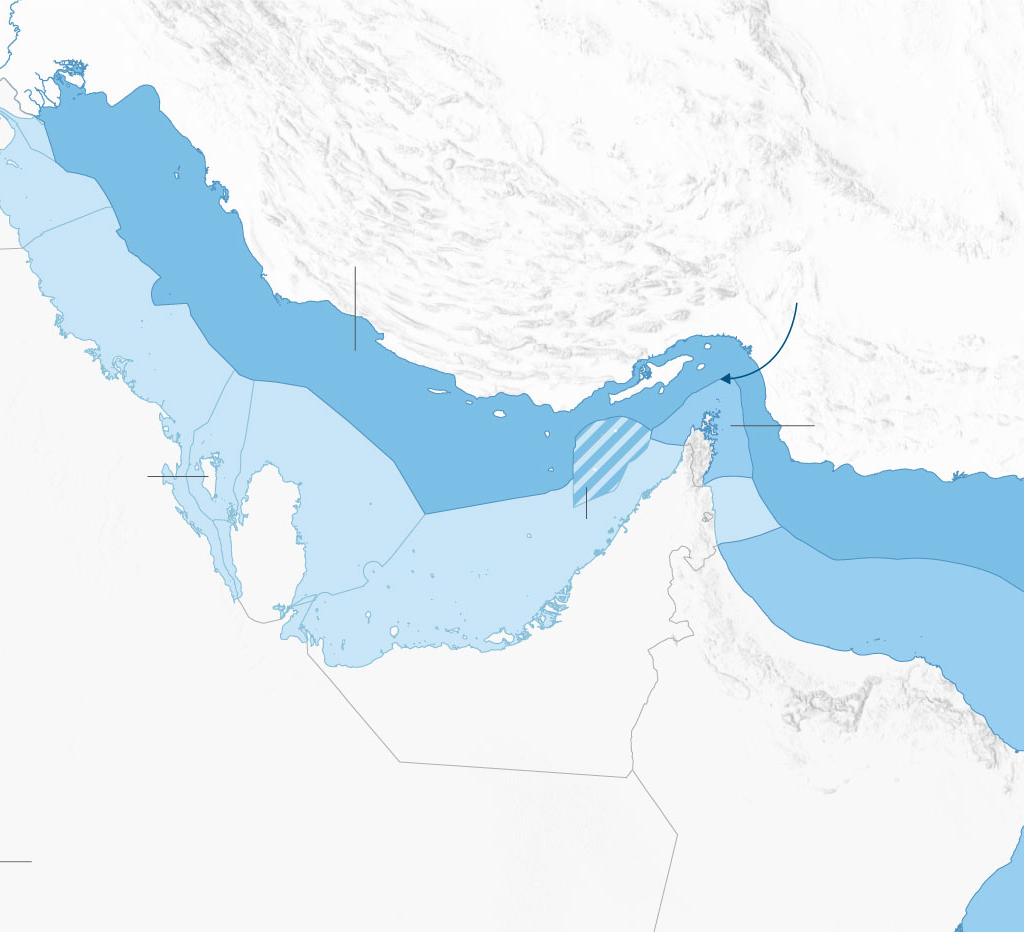
Part of the challenge for vessels and any potential ship-escorting operations is that the room for maneuver is highly constricted.
“In the open ocean there is always the option of re-routing; in a chokepoint or narrow sea, that option is impossible,” said Kevin Rowlands, journal editor at the Royal United Services Institute think tank. “That means that Iran doesn’t necessarily need to seek out and find its targets. It can sit and wait.”


Related Posts
Stay Informed With the Latest & Most Important News
Previous Post
Next Post




-
 01Spain denies White House claim it agreed to cooperate with US military
 -
 02Five Al Jazeera journalists killed in Israeli strike in Gaza
 -
 03Ex-police chief said Trump told him in 2006 ‘everyone’ knew of Epstein’s behaviour
 -
 04The nerds will finally go to the college football playoffs
 -
 05South Korea military shrinks by 20% due to low birthrate
 -
 06Britain to recognize Palestinian state unless Israel agrees to Gaza ceasefire
 -
 07Ukraine, Saudi Arabia sign air defence deal: senior officials