




Now Reading: Divorce, smartphones and control – BBC sees how Taliban run Afghanistan
-
01
Divorce, smartphones and control – BBC sees how Taliban run Afghanistan
Divorce, smartphones and control – BBC sees how Taliban run Afghanistan

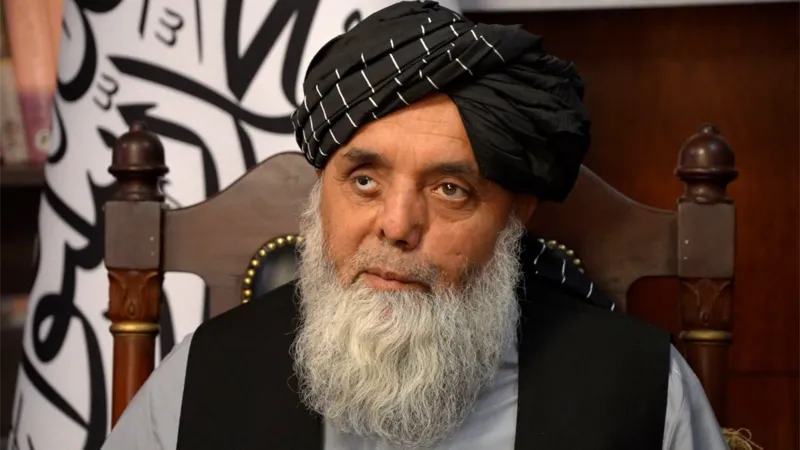
Governor Abdullah Sarhadi gives money to treat a boy’s broken arm and hands out funds for a local mosque – then, in his office in northern Afghanistan, an astonishing exchange unfolds.
A young woman tells the grey-bearded former Taliban commander that she wants to divorce her husband, who she accuses of months of abuse and beatings.
She will not take no for an answer.
In a country where girls are banned from secondary education, the 18-year-old argues her case calmly and confidently, her face completely hidden behind a full-face veil and sunglasses.
“If there was any chance to live together, I wouldn’t be here… I have taken my decision,” she says.
After trying to persuade her to avoid divorce, the governor later comments that women are “mindless” and “deficient in intellect”, to laughter from the male officials, bodyguards and elders around him.
The moment gives a rare glimpse into the day-to-day realities of the Taliban’s rule, five years after they swept aside the US-backed government in 2021.
In that time, women have been excluded from most workplaces, banned from universities and may not travel alone or visit parks and leisure centres.
The men we met seemed to want to present themselves as reasonable, yet were not keen to discuss their past violence. And we saw moments of unease between the rulers and those they rule.


Related Posts

Stay Informed With the Latest & Most Important News
Previous Post
Next Post






-
 01US bomber declares emergency as it returns to base
 -
 02Pakistan says its security forces killed 29 fighters along Afghan border
 -
 03Taiwan’s President Lai says he would be happy to speak with Donald Trump
 -
 04At least three US service members killed during Iran operation: CENTCOM
 -
 05Hegseth pushes to remake the military in his preferred image
 -
 06‘Gone to waste’: Kashmir growers watch apples rot as key highway is blocked
 -
 07At least six killed in Pakistan as fire rips through Karachi shopping mall