



Now Reading: As Trump retreats from climate goals, China is becoming a green superpower
-
01
As Trump retreats from climate goals, China is becoming a green superpower
As Trump retreats from climate goals, China is becoming a green superpower

The solar panels, scientists find, act as shade and windbreaks to protect the grass and restore the land. It doesn’t stop the desert but there is modest impact – and that gives Xin hope.
“Wind and solar energy are abundant in Inner Mongolia. We can contribute to our country.”
That sentiment may not be shared everywhere but Beijing’s determination to turn China into a renewables superpower is now evident across its vast landscapes.
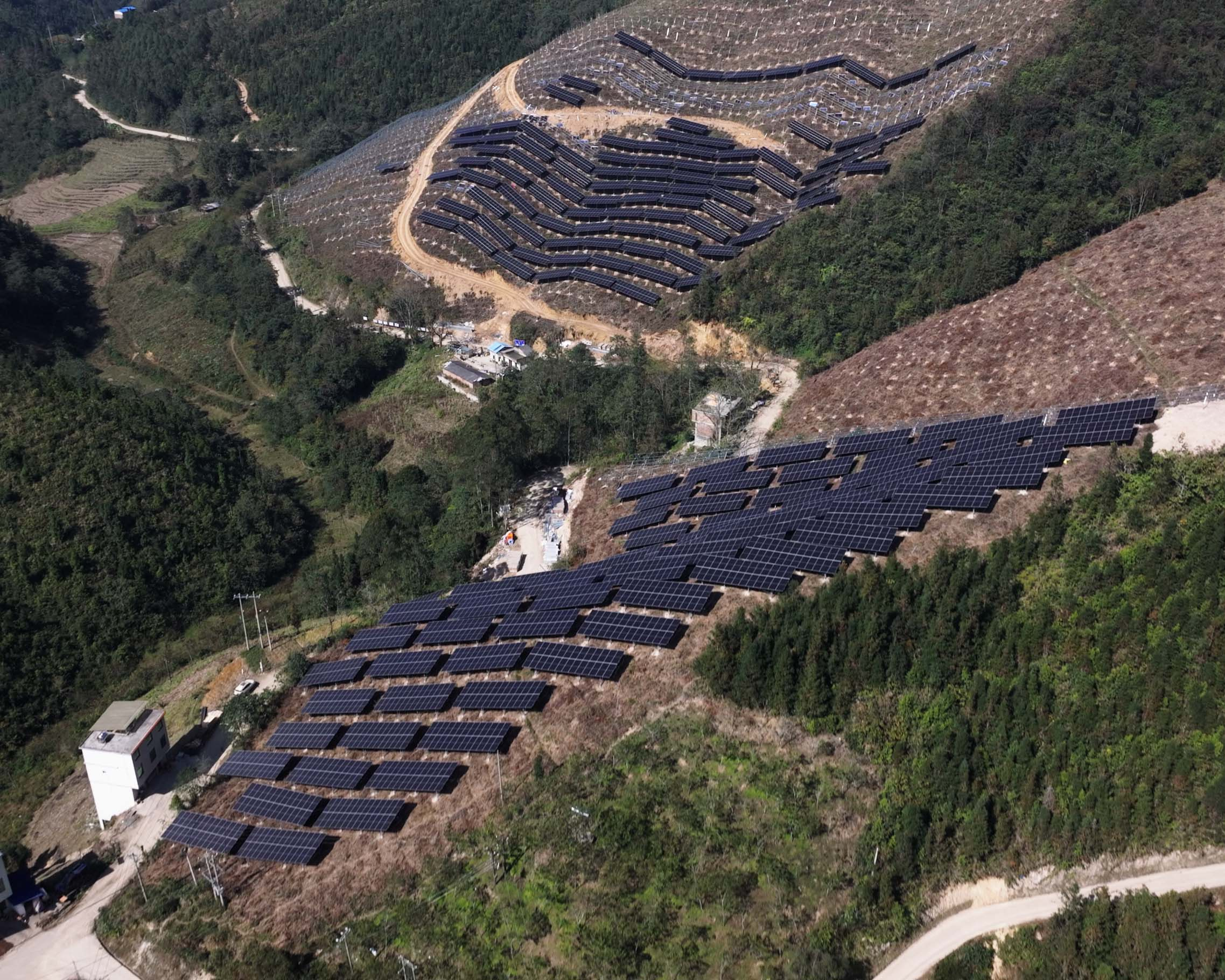
In Gansu and Xinjiang, rolling hills and open plains have morphed into massive wind and solar bases. Shimmering silicon panels sit underneath turbines, capable of generating enough electricity to power tens of millions of homes.
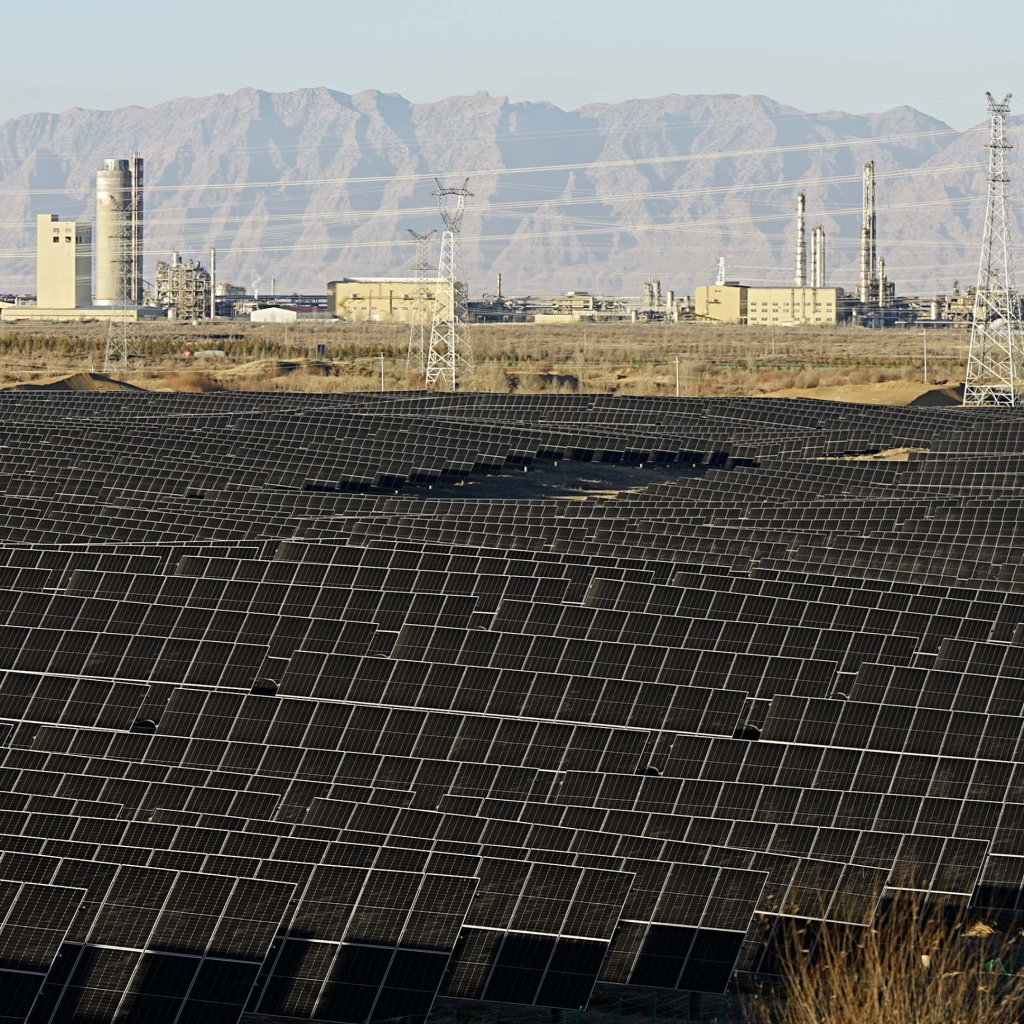
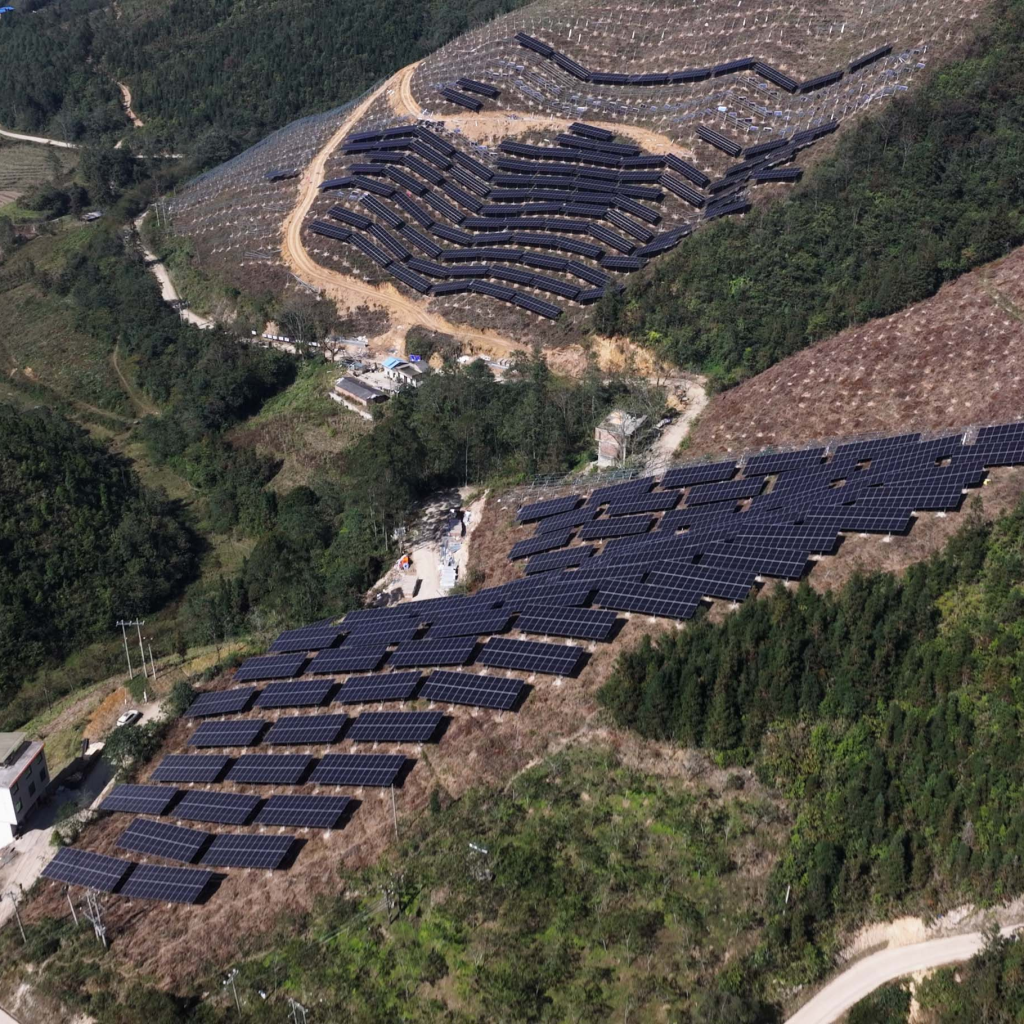
China, which is still the world’s top carbon emitter, has been building an unrivalled green energy grid.
The country’s leader Xi Jinping told the UN in 2020 that China would aim to hit peak emissions by 2030 and carbon neutrality by 2060. This goal now appears to be within reach with analysts from Carbon Brief saying its CO2 emissions have been flat or falling for 21 months.
Meanwhile, Donald Trump’s White House has been pedalling back American commitment to green energy – last week it reversed a key scientific ruling that supports all federal action to curb emissions.
So Beijing finds itself in an unexpected position: at the helm of a renewables revolution.
This has been driven by both Beijing’s ambition as well as the competition that it unleashed.
So much so that there has been an oversupply: of panels, key components and solar power. This has sparked price wars and a sharp decline in electricity rates, which has battered Chinese firms in the renewables supply chain.
The speed of the transition has raised concerns that opposition from locals and environmental questions have been swept aside, while communities that powered its coal industry are being left behind.
It has been an extraordinary expansion.
Back in 2010, China was generating less electricity from the Sun than six other countries – Germany, Spain, the US, Japan, Italy and South Korea.


Related Posts

Stay Informed With the Latest & Most Important News
Previous Post
Next Post




-
 01Russia is trying to stop meeting on peace and prolong war, Zelensky says
 -
 02What senators are saying after being briefed on the US strikes on Iran
 -
 03US, Iran exchange threats as fragile ceasefire set to expire
 -
 04As Trump retreats from climate goals, China is becoming a green superpower
 -
 05Israel kills more starving Palestinians as US envoy heads to Gaza
 -
 06First PIA direct flight to London in 6 years lands at Heathrow Airport
 -
 07Ex-cricket captains urge ‘proper medical care’ for Imran Khan