



Now Reading: An agreement on the Strait of Hormuz is taking shape – but not one Trump wants
-
01
An agreement on the Strait of Hormuz is taking shape – but not one Trump wants
An agreement on the Strait of Hormuz is taking shape – but not one Trump wants

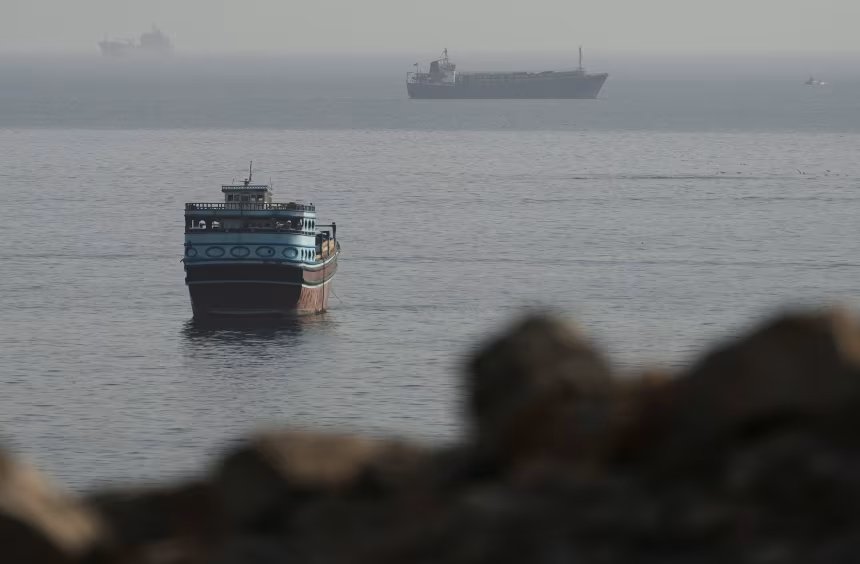
Like shifting winds, plans for the future of the Strait of Hormuz – and their chance of success – change almost daily. US President Donald Trump said an agreement could be reached this week. “It could happen. Tomorrow or the next day,” Trump said Tuesday. “A lot of progress has been made. And they called me and they said, ‘Please let’s talk.’”
But he again threatened to attack Iran should no deal be reached.
Even so, there’s no consensus even on who is talking to who. Iran has persistently said it is talking solely with Oman on a temporary arrangement for the vital waterway.
And others are less confident that a deal is imminent and are skeptical about its longevity.
Iran and Oman have agreed on the geographical coordinates of a proposed safe shipping route in the strait, Iran’s Foreign Ministry spokesman Esmaeil Baghaei said Wednesday. But he tempered expectations by adding “provided that certain third parties do not obstruct the process.”
A senior Gulf official familiar with the talks suggested there is about a 50:50 chance of a deal by Friday. One issue is that the Iranian delegation does not include the voice of the hardline Islamic Revolutionary Guard Corps (IRGC), which would have to sign off on the details, the source said.
Iran blames Washington for delays
“The main reason for the delay in reaching an agreement with Oman regarding the Strait of Hormuz is US interference and Trump’s threats,” the semi-official Iranian news agency Tasnim cited “an informed source” as saying on Wednesday.
Another semi-official outlet, Fars, struck a similar tone. It said some US officials had “sent mixed signals and, either directly or through regional partners, have disrupted the course of the negotiations. There remains concern that obstruction by the United States or certain regional parties could prolong the negotiations or otherwise interfere with the process.”
Fars reiterated that Iran is negotiating only with Oman and those talks “are focused on a middle corridor that would safeguard Iran’s rights while taking Oman’s concerns into account.”
“Iran’s rights” is the term that raises many questions.
There are competing routes through the strait and what’s on the table appears to involve merging them – with Iran retaining a level of control that would be at odds with US wishes.
The negotiations should “establish Iranian arrangements because security, de-mining, and maritime services are handled by Iran,” according to Saeed Ajorlu, a member of Iran’s negotiating committee.
Tehran’s goal “is to set temporary arrangements” between one and three months “where Iran is dominant,” Ajorlu told Iranian state broadcaster IRIB this week.


Related Posts
Stay Informed With the Latest & Most Important News
Previous Post
Next Post






-
 01New Trump peace proposal for Ukraine would require land concessions and military reduction, source says
 -
 02Middle East crisis live: malnutrition in Gaza on ‘dangerous trajectory’, says WHO, as airdrops of aid begin – as it happened
 -
 03Parents of missing 7-month-old California boy are charged with murder
 -
 04Hardline lawmakers demand nuclear bomb as Iran braces for UN sanctions
 -
 0524 killed as bus falls into river in Bangladesh
 -
 06War-torn Myanmar to hold first general election since 2021 coup
 -
 07Calls are mounting to ban Germany’s far-right AfD party – despite it being more popular than ever