



Now Reading: Ukraine racing to develop new interceptors as Russian drones and missiles ravage the country
-
01
Ukraine racing to develop new interceptors as Russian drones and missiles ravage the country
Ukraine racing to develop new interceptors as Russian drones and missiles ravage the country

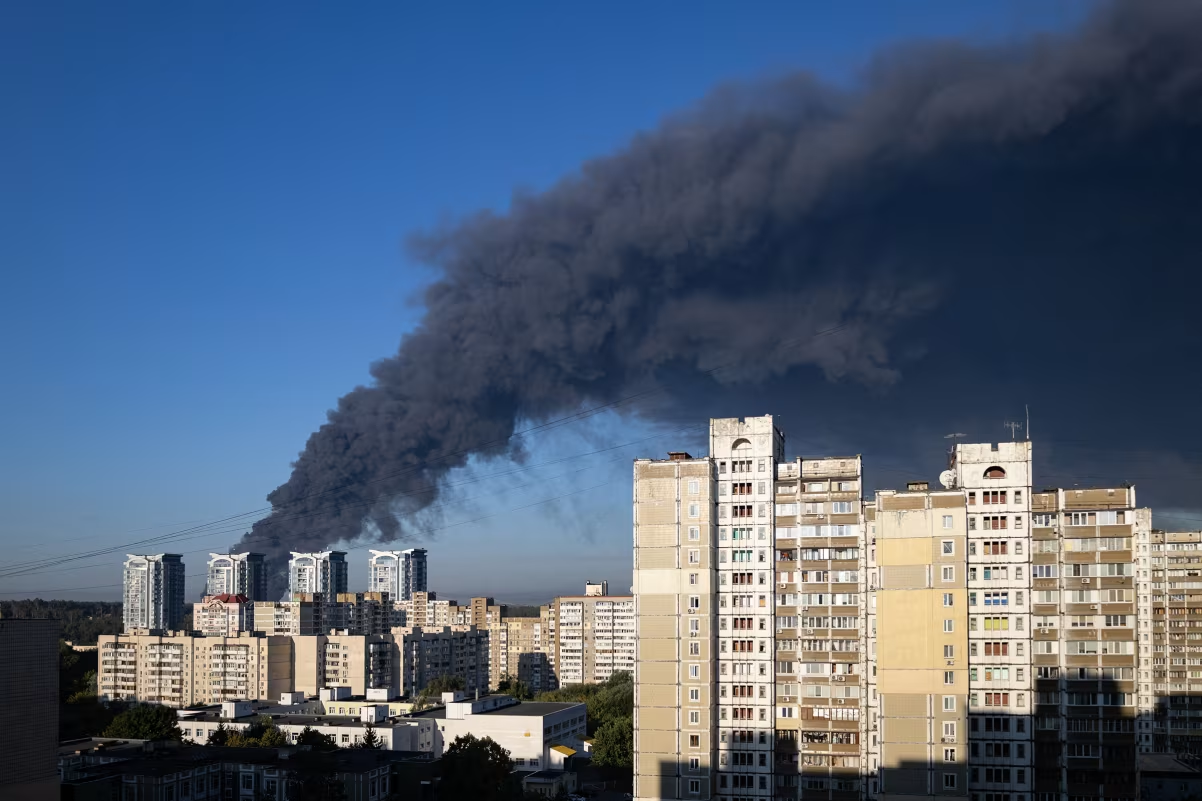
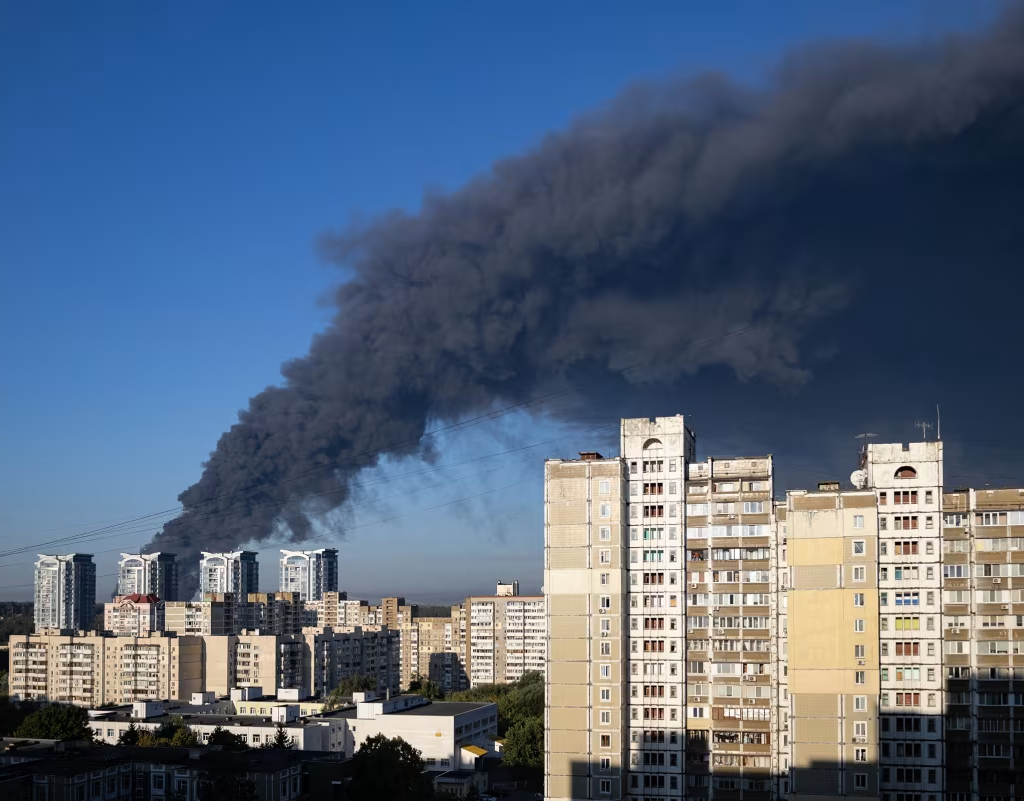
Ukraine is urgently trying to develop interceptors capable of countering a new generation of Russian jet-powered drones that have wreaked havoc across the country in recent months.
Along with the Kremlin’s ballistic weapons and a new type of cruise missile, the jet-drones have caused massive damage in and around the capital, Kyiv.
They have also been used to target warehouses, gas stations, postal facilities and factories in what is becoming a much broader war in terms of targets.
The jet-powered Shahed drones – known as the Geran-4 and Geran-5 – are more difficult to intercept because of their speed and number. They are three times faster than the original Shaheds that Russia procured from Iran.
“Drone attacks are constant, with many jet-powered Shaheds,” Ukrainian President Volodymyr Zelensky said Sunday. Almost 1,500 drones of all types were fired at Ukraine over the previous four days, more than half of them jet-powered, he said.
The mass deployment of the jet-powered drones has accelerated over the past two months. About 1,500 were used in July, and more than 2,500 in August, according to Serhiy Beskrestnov, an adviser to Zelensky .
They were “being launched at Ukraine practically straight from the factory,” he said in a Facebook post at the weekend. Ukraine’s Defense Intelligence alleges that the jet-powered drones contain hundreds of components made by foreign companies, including in the US, UK and China.
Many of the jet-powered drones have been fired at the capital as Russia has moved to barrages against Kyiv both day and night. On Saturday, the Ukrainian military said Russia fired 224 drones at Ukraine in daylight hours – most of them jet-powered. On Sunday, Kyiv experienced eight air raid alerts between midnight and dusk.
The Kremlin’s goal is to exhaust Ukrainian air defenses and sap the morale of civilians, as it expands its list of targets to food warehouses and stores and continues strikes against energy infrastructure, say Ukrainian officials.
“The enemy is trying to paralyze economic activity in the capital and major cities, so our approaches and response mechanisms must change,” Ukrainian Prime Minister Serhii Koretskyi said over the weekend.
The intensity of Russian daytime strikes also comes just as children are preparing for the new school year.
The Kyiv city office said Monday it was likely that lessons will be disrupted and urged parents to discuss with their children “some simple yet important issues – how they should act in the event of an alert, where they should take shelter, and what they should do if they are caught in a dangerous situation on their way to school.”
“In the current circumstances, this is just as much a part of preparing for the new school year as packing a school bag or getting the school uniform ready,” it said.
The Chess Game of Innovation
For now, Zelensky has acknowledged, it is mainly combat aircraft that protect against the jet-powered drones. But Ukraine’s small air force is already stretched, and using fighter jets against the drones is expensive.
And so the race is on in yet another episode of the leapfrog technology race that has characterized the nearly five-year war.
Four companies have developed relevant interceptor drones, one of which had “the most successful technology,” Zelensky said on the weekend. Field trials have already begun on all four contenders, according to Defense Minister Evgeniy Khmara. “The aim is to bring these solutions up to the required level as quickly as possible and scale up production to thousands of units,” he said on Saturday.
But devising the technology and deploying it are two very different challenges. “Offensive capabilities always stay one step ahead of defensive ones,” said the deputy head of the President’s Office, Pavlo Palisa, on Friday. “We will certainly have to adapt. This will take time.”


Related Posts


Stay Informed With the Latest & Most Important News
Previous Post
Next Post






-
 01Ukraine racing to develop new interceptors as Russian drones and missiles ravage the country
 -
 02Oil prices climb past $105 a barrel as war in Iran enters third week
 -
 03A Trump-shaped shadow looms over FIFA’s grand plans for the 2026 World Cup
 -
 04What does Israel want in Somaliland?
 -
 05At least 19 dead in Nepal after Gen Z protests at corruption and social media ban
 -
 06Trump unhurt after shots fired at White House correspondents’ dinner
 -
 07India’s ‘unlawful use of force’ in Pakistan after Pahalgam attack violated rights to life, security: UN experts