




Now Reading: Supersonic flight is making a comeback decades after the Concorde. But one big hurdle remains
-
01
Supersonic flight is making a comeback decades after the Concorde. But one big hurdle remains
Supersonic flight is making a comeback decades after the Concorde. But one big hurdle remains

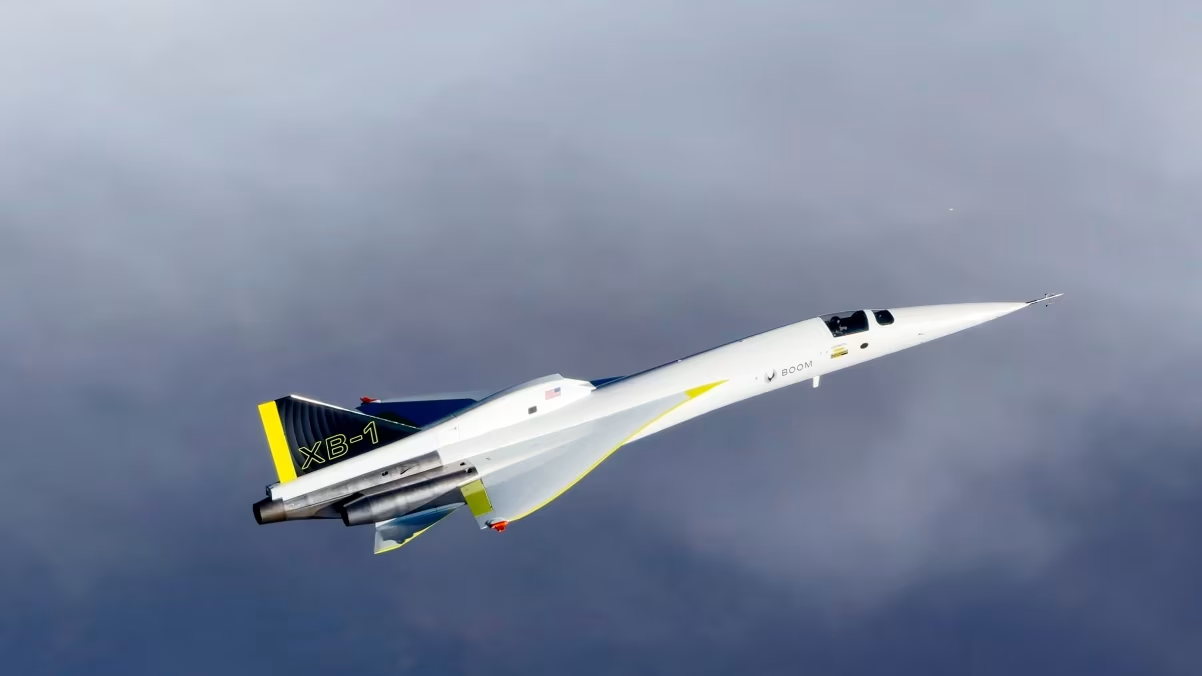
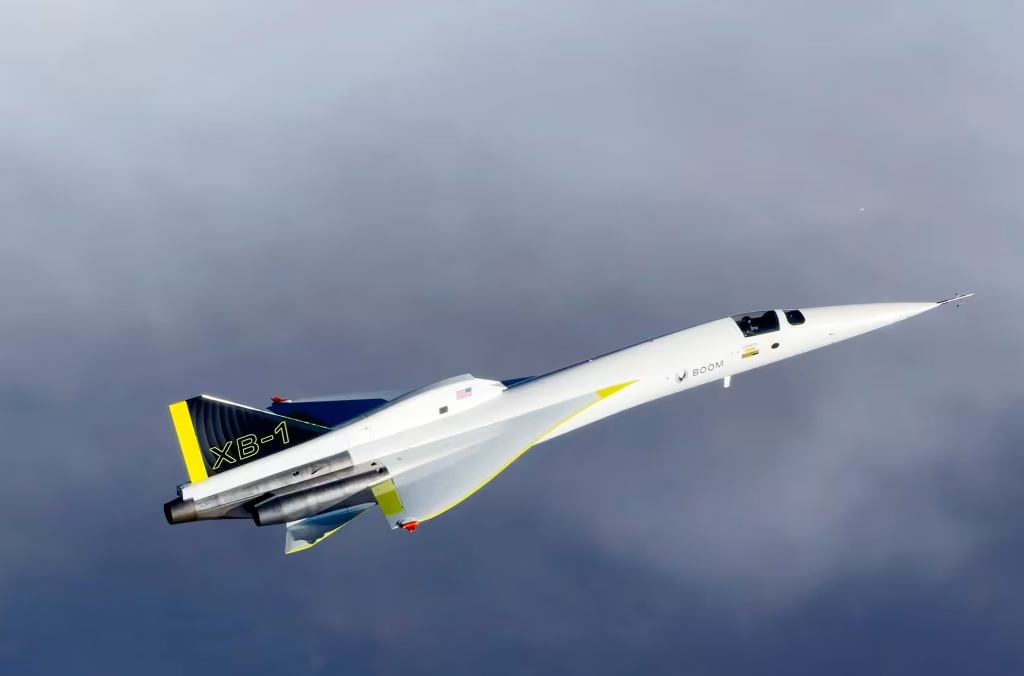
The skies of Oklahoma City roared for six months in 1964 as military aircraft intentionally rattled the population below with a daily barrage of thunderous sonic booms. It was a controversial test — the consequences of which have lingered to this day.
The booms — 1,253 in total — were part of an effort by the US Federal Aviation Administration to gauge the public’s attitude toward supersonic flight. Faster than the speed of sound, such flights hold the potential to cut travel time in half. But the test was a major catalyst would eventually spell doom for commercial supersonic journeys over the United States.
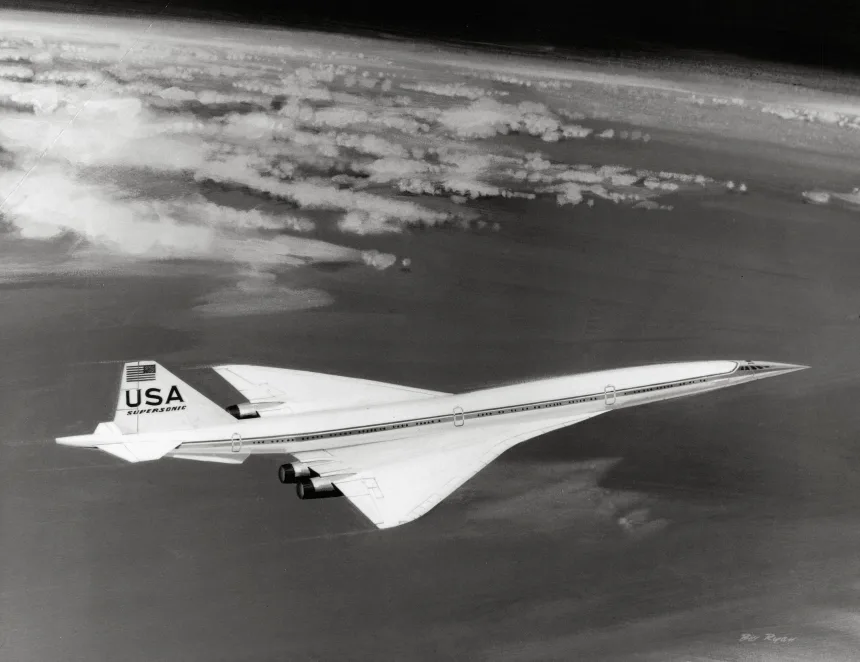
Congress canceled funding in 1971 for Boeing’s proposed supersonic aircraft, the 2707, leaving only two contestants in the passenger supersonic race: Europe’s Concorde and the Soviet Union’s ill-fated rival model, the Tupolev Tu-144. Then, the FAA effectively banned civilian supersonic flight over land in the US in 1973 by prohibiting civil aircraft from flying faster than Mach 1, or the sound barrier, thus preventing sonic booms. Concorde became the only commercial supersonic airliner, flying the skies from 1976 to 2003. The jet never had a successor.
Now, some 50 years on from the ban, a new era of supersonic flight seems within reach. The FAA in June for reimagined rules on supersonic flight. The document includes switching from a speed-based to a noise-based standard and repealing the 1973 prohibition. The agency is aiming to finalize these new standards by mid-2027.
“It’s a long time in coming,” said Juan Alonso, a professor in the department of aeronautics and astronautics at Stanford University in California. “I think it’s a welcome legislation, and I would say NASA and the US industry have been pushing in this direction for a very long time.”


Related Posts



Stay Informed With the Latest & Most Important News
Previous Post
Next Post








-
 01New Trump peace proposal for Ukraine would require land concessions and military reduction, source says
 -
 02Middle East crisis live: malnutrition in Gaza on ‘dangerous trajectory’, says WHO, as airdrops of aid begin – as it happened
 -
 03Parents of missing 7-month-old California boy are charged with murder
 -
 04Hardline lawmakers demand nuclear bomb as Iran braces for UN sanctions
 -
 0524 killed as bus falls into river in Bangladesh
 -
 06War-torn Myanmar to hold first general election since 2021 coup
 -
 07Calls are mounting to ban Germany’s far-right AfD party – despite it being more popular than ever