


Now Reading: Ex-Pakistan PM Imran Khan left with 15% vision in right eye, court told
-
01
Ex-Pakistan PM Imran Khan left with 15% vision in right eye, court told
Ex-Pakistan PM Imran Khan left with 15% vision in right eye, court told


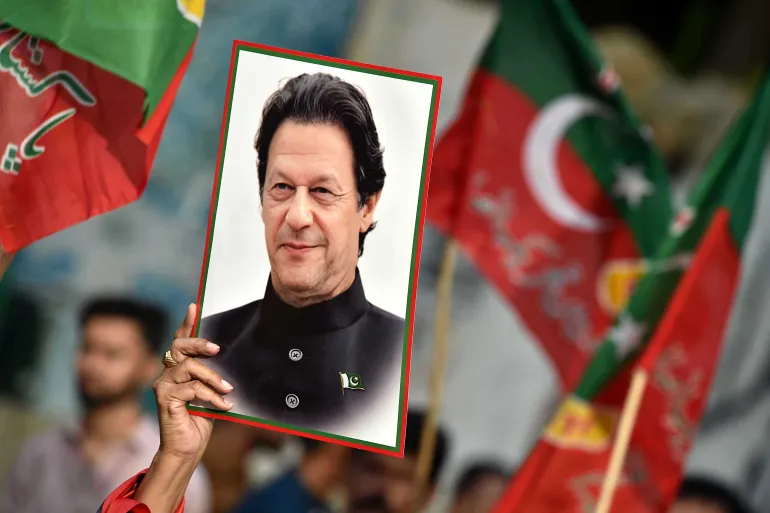
A court-appointed lawyer has claimed that jailed former Prime Minister Imran Khan has been left with just 15 percent vision in his right eye after authorities allegedly ignored his complaints for three months, adding another layer of contention over his imprisonment.
Barrister Salman Safdar, appointed by the Supreme Court of Pakistan (SCP) as amicus curiae (friend of the court), conducted a two-hour interview with Khan on February 10 and inspected his detention facility before submitting a detailed seven-page report to the court on Wednesday.
It says Khan suffered rapid and substantial vision loss over the past three months while in custody under former jail superintendent Abdul Ghafoor Anjum, who was transferred in mid-January.
Despite repeated complaints of persistent blurred and hazy vision, the report states that “no action was taken by the jail authorities to address these complaints”.
“He stated that he subsequently suffered a sudden and complete loss of vision in his right eye,” Safdar wrote.
A medical report dated February 6, 2026, diagnosed the condition as “right central retinal vein occlusion,” Safdar noted.
An ophthalmologist from a leading government hospital in Islamabad was eventually consulted and confirmed the diagnosis, a blood clot that can cause severe retinal damage.
Safdar observed that the former prime minister was “visibly perturbed and deeply distressed,” with watery eyes requiring tissues throughout their meeting.
The report warns that “any further delay poses a serious risk to the petitioner’s well-being” and recommends an immediate independent examination by expert ophthalmologists, including Khan’s personal physicians.
Following the submission of the report, the SCP moved swiftly. It ordered the formation of a medical team to examine Khan’s eye and directed that he be allowed phone contact with his sons, who both live in the United Kingdom, and ordered both tasks to be completed before February 16.
“The issue of Imran’s health is most important,” Chief Justice Yahya Afridi observed, adding that “intervention was necessary.”


Related Posts



Stay Informed With the Latest & Most Important News
Previous Post
Next Post






-
 01Israel says it hits security headquarters across Tehran, as Iran attacks US sites in Dubai and Qatar
 -
 02comedyIran taking steps to prevent anti-establishment protests, Tehrancomedy
 -
 03Why Iran’s response to a US attack could be different this time
 -
 04Should the US be worried? India’s Modi set for rare China trip after Trump’s tariff sting
 -
 05Zelensky says he does not have clear security pledge from allies
 -
 06Are Christians being persecuted in Nigeria as Trump claims?
 -
 07Afghanistan & Pakistan in UAE 2025