



Now Reading: Why the Strait of Hormuz matters so much in the Iran war
-
01
Why the Strait of Hormuz matters so much in the Iran war

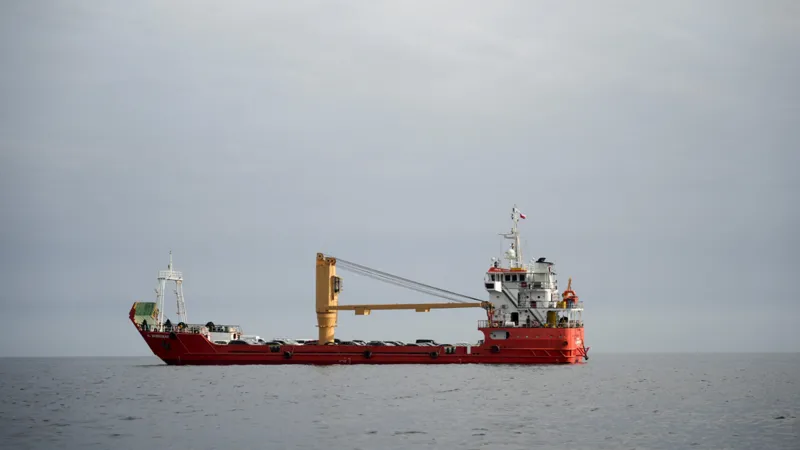
Iran has effectively blocked the Strait of Hormuz, one of the world’s busiest oil shipping channels, since the US and Israel attacked the country on 28 February.
About 20% of the world’s oil and liquefied natural gas (LNG) usually passes through the strait and the war has sent global fuel prices soaring.
What and where is the Strait of Hormuz?
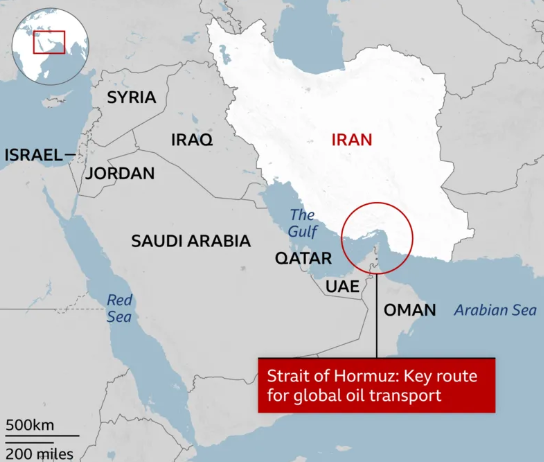
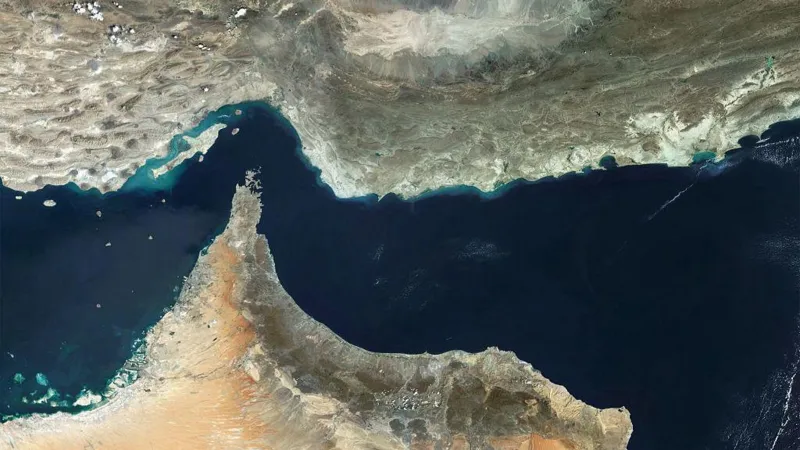
Bounded to the north by Iran and to the south by Oman and the United Arab Emirates (UAE), the corridor – only about 50km (31 miles) wide at its entrance and exit, and about 33km wide at its narrowest point – connects the Gulf with the Arabian Sea.
The strait is deep enough for the world’s biggest crude oil tankers, and is used by major Middle Eastern oil and LNG producers, as well as their customers.
In 2025, about 20 million barrels of oil and oil products passed through the Strait of Hormuz per day, according to estimates from the US Energy Information Administration (EIA). That is nearly $600bn (£447bn) worth of energy trade per year.
The oil comes not only from Iran but other Gulf states such as Iraq, Kuwait, Qatar, Saudi Arabia and the UAE.


Related Posts
Stay Informed With the Latest & Most Important News
Previous Post
Next Post



-
 01Taiwan’s President Lai says he would be happy to speak with Donald Trump
 -
 02One Iranian football team member changes mind after Australia grants asylum
 -
 03PM Shehbaz departs for Saudi Arabia on 3-day visit
 -
 04‘Cool’ people tend to have these six things in common, study finds
 -
 05Slovenia becomes first EU country to impose arms embargo on Israel
 -
 06China’s Xi oversees massive military parade with Putin, Kim in attendance
 -
 07At least six killed in Pakistan as fire rips through Karachi shopping mall