




Now Reading: Israel pushes for war amid US ceasefire, but its options may be limited
-
01
Israel pushes for war amid US ceasefire, but its options may be limited
Israel pushes for war amid US ceasefire, but its options may be limited

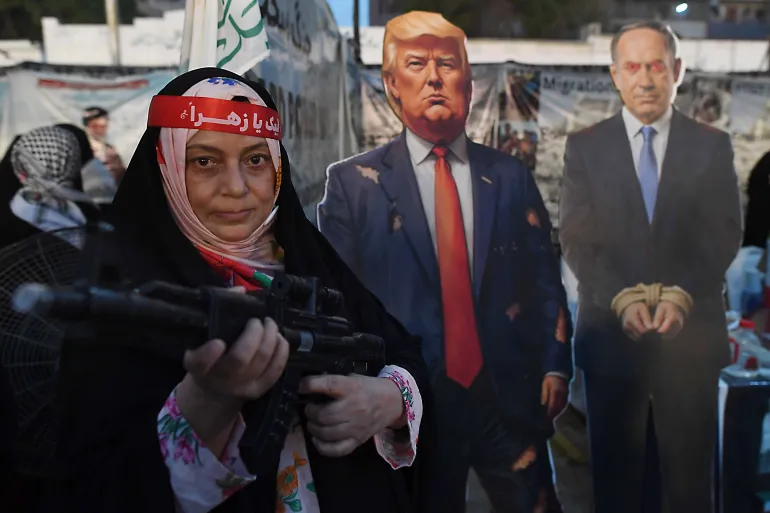
Israeli officials and media indicate renewed conflict with Iran is being actively considered despite a shaky deadlock.
While the United States backs away from threats to resume bombing Iran if it does not agree to a peace deal, Israel’s political establishment is reportedly itching for war. Shimon Riklin, an anchor for the right-wing Israeli Channel 14, blurted out apparently confidential plans about a renewed attack on Tehran, which included the location of what he claimed was a uranium storage facility that could be targeted.
Members of the Israeli parliament roundly criticised Riklin’s supposed revelations, leading the anchor to say his comments were purely hypothetical.
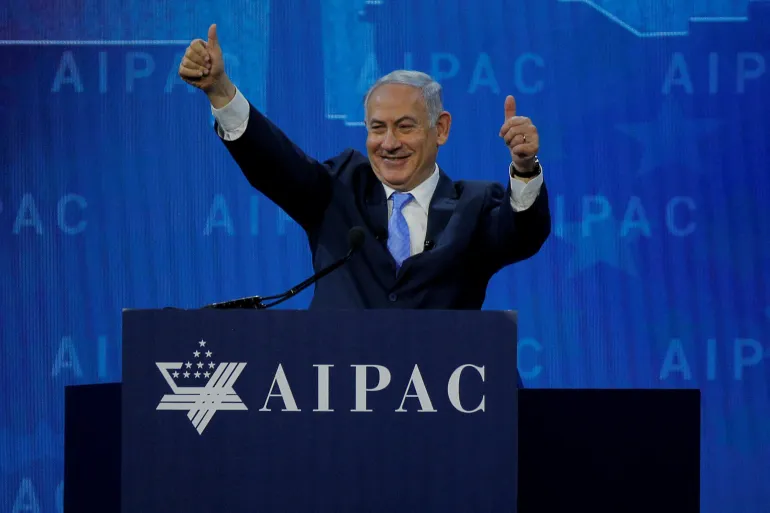
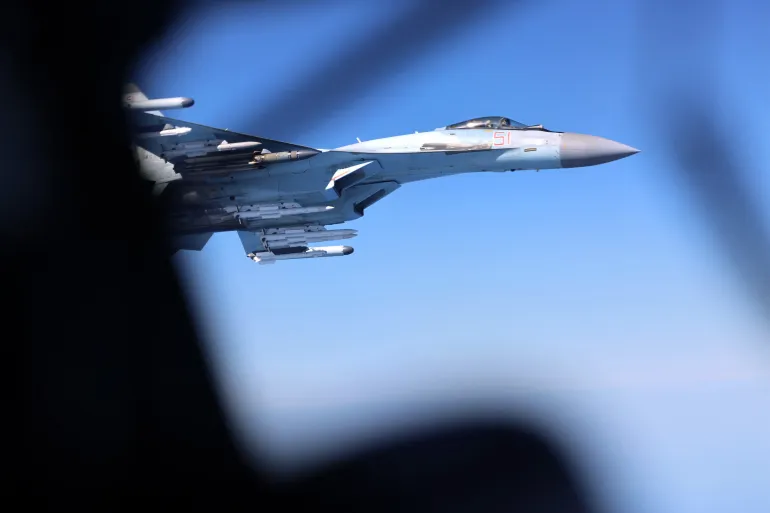
Still, despite broad agreement that Israel is eager to restart hostilities, it is unlikely to be able to do so without US permission. That does not look like it will be quick in coming. Reports of a call overnight between Israeli Prime Minister Benjamin Netanyahu and US President Donald Trump over Washington’s push for a truce irrespective of Israeli concerns left the Israeli leader reportedly with his “hair on fire”. This week, Israeli media reported that Netanyahu chaired the second meeting of his security cabinet to discuss renewing the conflict with Iran. Despite billions of dollars in Israeli and US ordnance thrown at Iran, the government in Tehran remains in place. Iran’s deterrence strategy of striking regional states and the subsequent closure of the Strait of Hormuz has dented the US’s appetite for renewing a costly and perhaps unremitting war against Tehran.
Iranophobia
For Netanyahu, the April 8 ceasefire – agreed with little Israeli involvement – has proven politically costly and, analysts say, unnerved a public conditioned to view Iran as an existential threat.
“It was perfectly normal to them that they should effectively stop their lives if it prevented Iran from completing its nuclear programme, or, from their perspective, if it helped ‘free the people’,” he said.
The only question for many Israelis, Ram said, is how Netanyahu – regarded in some quarters as a “magician” – would bring Iran to its knees.

Political necromancy Many in Israel have grown accustomed to seeing Netanyahu defy the laws of political gravity. In 2022, he won an election despite being hounded by multiple corruption charges. He has managed to distance himself from the security failures of the Hamas-led attack on southern Israel on October 7, 2023, and achieved credit – even if he officially denies it – for allegedly manipulating Trump into joining the war on Iran. The October 2023 attacks and the US-brokered truce with Iran, which Israel had no role in, will be the foremost political concerns on Netanyahu’s mind, Alon Pinkas, a former Israeli ambassador and consul general in New York,. He noted that these could serve as an incentive for resuming military operations. “My guess is there are three interlocking reasons why Netanyahu is looking to restart the war,” Pinkas said. “Firstly, there’s the distance he wants to put between him and October 7 – he needs a big strategic victory and he’s not going to get that in Gaza or Lebanon, so this is it.


Related Posts
Stay Informed With the Latest & Most Important News
Previous Post
Next Post




-
 01AI investments and Syria’s development – this week’s business headlines from the Middle East
 -
 02‘He did it for us’: US soldier recalls Jesse Jackson’s efforts to free him and two other POWs
 -
 03Oil prices climb past $105 a barrel as war in Iran enters third week
 -
 04How Pakistan won over Trump to become an unlikely mediator in the Iran war
 -
 05Cameroon’s president seeks an eighth term at the age of 92
 -
 06Dad shot daughter after ‘arguing about Donald Trump’
 -
 07MoD staff warned not to share hidden data before Afghan leak