




Now Reading: AI data centers have become sitting ducks in the Iran war
-
01
AI data centers have become sitting ducks in the Iran war
AI data centers have become sitting ducks in the Iran war

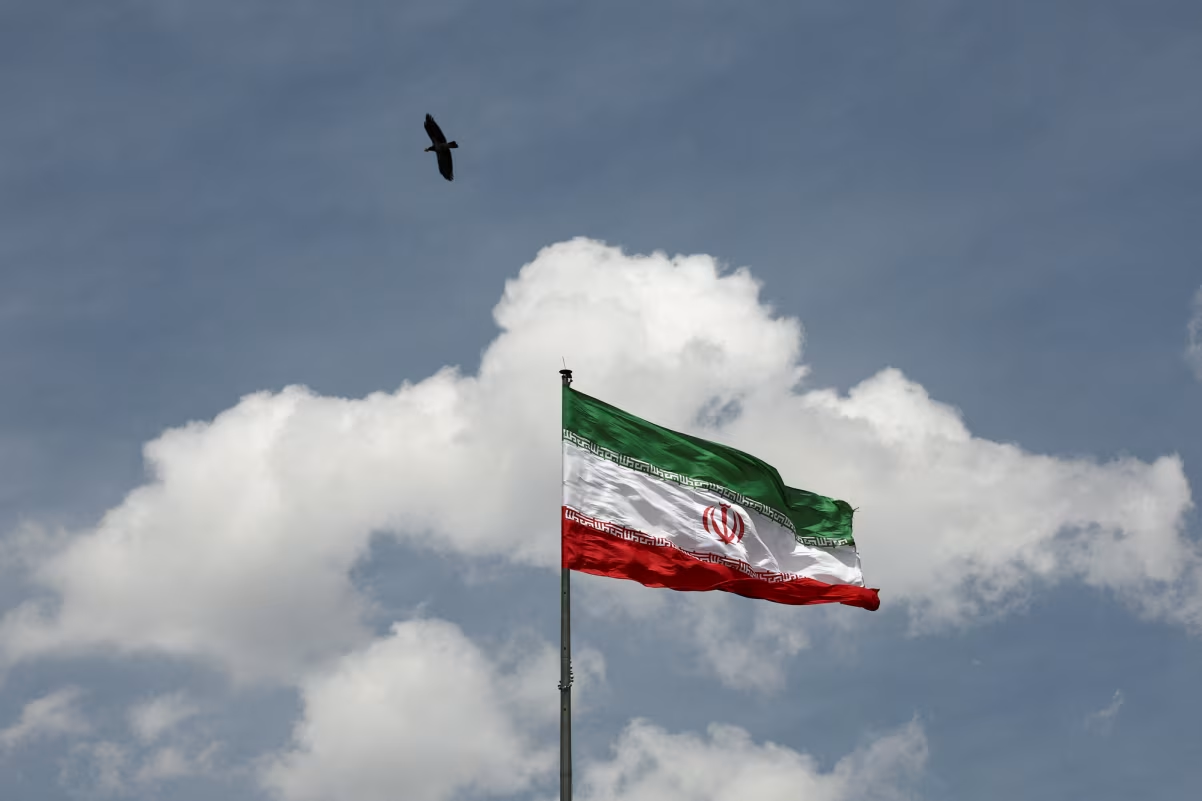
Iran’s strategy to counter military might with economic pain has exposed a vulnerability in one of the world’s most vital interests: AI data centers.
Iran has aimed significant firepower at its neighbors’ refineries, oil exports and tourist attractions, inflicting economic havoc on the Gulf states and the countries that do business with them.
Now data centers, which power the technology most crucial to the global economy’s future, are becoming targets. Iran has bombarded several of its neighbors’ data centers, and the United States responded by attacking one of Iran’s.
Data centers have long been cyberattack targets, but physical attacks are unique to 2026. It’s a reckoning for governments that view AI as crucial to their national security and economic growth — and for an industry that has gone all in on building expensive data centers across the planet.
A new front in the war
Iran and the United States have attacked at least five data centers in the Gulf region, including a second Iranian missile attack on an Amazon data center in Bahrain late last month. Amazon declined to comment, but its Amazon Web Services dashboard has shown a disruption in the region since an initial April 30 attack on the data center, and satellite imagery showed extensive damage to the AWS facility.
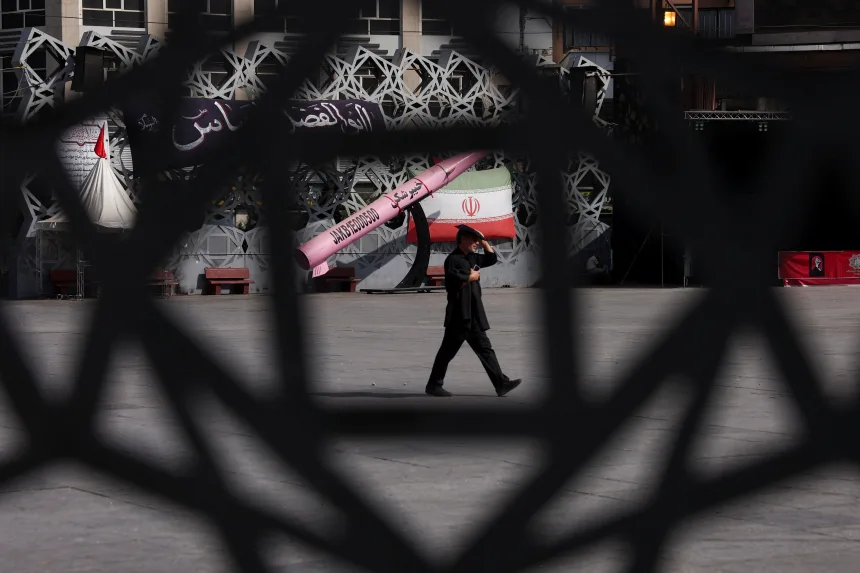
In the war’s early days, Iran made clear that it views data centers as justified military targets. The IRGC published a list of 29 regional tech targets it planned to strike, including sites owned by Amazon, Google, Microsoft, Nvidia and Palantir.
The region’s data centers are important not only to the US military and AI industries but also to the Gulf region, which fancied itself a third global AI hub, along with the United States and China. Saudi Arabia has dedicated a significant portion of its $1 trillion sovereign wealth fund to AI, and the UAE signed a landmark deal with the Trump administration last year to build Stargate, a $500 billion AI data center – the largest such project outside the United States. OpenAI, Oracle, Nvidia and Cisco all partnered on that project.
Combined, Bahrain, Kuwait, Oman, Qatar, Saudi Arabia and the United Arab Emirates have pledged more than $2 trillion in AI-related investments with the United States — on condition that they also divest from Chinese equivalent technology.
That has aligned the region with the United States — and exposed their AI assets to Iranian attacks, noted Helima Croft, head of global strategy at RBC Capital Markets.
“On their face, these attacks and broader threats work to undermine confidence in what stands to be an important region for AI innovation and investment,” said Croft. “They also highlight the role that these companies play in warfare and diplomacy, as well as what lengths the US is willing to go to defend them.”
An old problem with a new twist
Data centers may seem new because of the recent rapid expansion in buildouts during the AI revolution. But data centers have been around for decades — and they’ve been targets of war for a long time.
Militaries often run command and control operations away from the frontlines; enemies have sought to disrupt those communications through jamming and, in the past few decades, cyberattacks.
But data centers blowing up? That’s new.
The reason is twofold: AI has become economically critical to the United States and the Gulf region, so Iran can inflict damage where it really counts by disrupting data centers at a low cost – primarily with drones. And Iran can legitimately claim data centers are military targets.
“They don’t carry a sticker that says, ‘Military data here!’” said Andrew Reddie, professor of public policy at the University of California, Berkeley. “Data centers could be storing military-relevant data and be used for market-oriented purposes at the same time.”
What now?
All that has significant implications for the companies that build data centers and the governments that want them to be built.
But they’re effectively just giant warehouses with really expensive equipment inside, noted Philip Wray, head of property at insurer MSIG USA. There’s not a whole lot that can be done to harden them against bombs and drones.


Related Posts

Stay Informed With the Latest & Most Important News
Previous Post
Next Post





-
 01PCB slaps hefty fine on Naseem Shah for social media post on Maryam Nawaz
 -
 02Earthquake rescue teams battling to reach survivors in Afghanistan
 -
 03India now sets the terms of global cricket
 -
 04SpaceX’s megarocket finds redemption after explosive failures. But time may be running out
 -
 05Could Trump strip citizenship from Elon Musk, Zohran Mamdani or Rosie O’Donnell?
 -
 06‘A tipping point’?: Why this 1768 painting could be the real birth of modern art
 -
 07PSX opens week in the green, gains more than 7,000 points during intraday trade