




Now Reading: Hacked traffic cameras and US intelligence: How a plot to kill Iran’s supreme leader came together
-
01
Hacked traffic cameras and US intelligence: How a plot to kill Iran’s supreme leader came together
Hacked traffic cameras and US intelligence: How a plot to kill Iran’s supreme leader came together


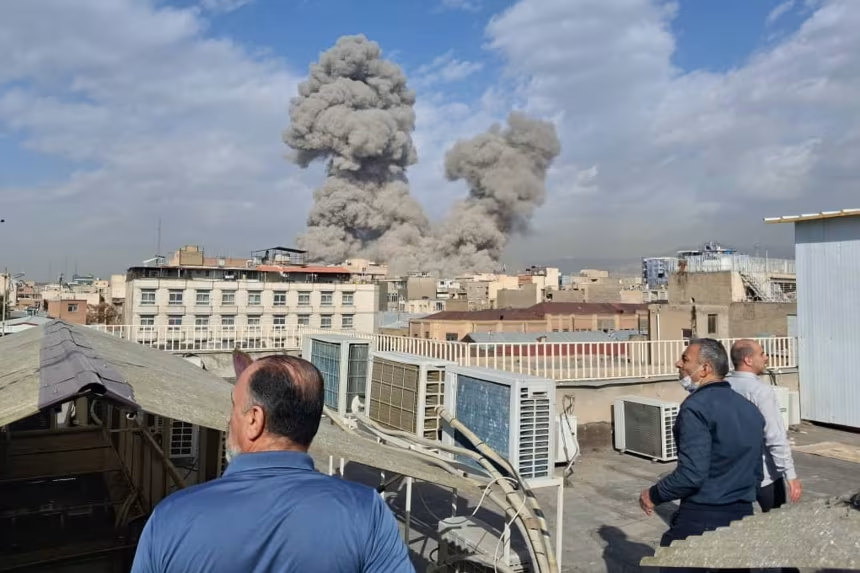
The traffic cameras on the streets of Tehran provided a real-time view of the targets.
Hacked years ago, the cameras allowed Israel to map the city in detail, establish patterns of movement, and build an intricate, complex picture of what was happening inside an enemy capital, according to an Israeli official.
The cameras were only one part of a much more complex system, some of whose details were first reported by The Financial Times, that allowed Israel to build what one Israeli source familiar with the matter called an AI-powered “target production machine” capable of processing massive amounts of data.
In went visual intelligence, human intelligence, signals intelligence, intercepted communications, satellite imagery and more. Out came a pinpoint location in the form of a 14-digit grid coordinate. The sheer quantity of information required powerful computers to process, sort, and analyze the data to draw out what Israel wanted: targets.
The system, created over the past decade, requires a team of people to validate the strike recommendations and fine-tune the processes, the source said, including technologists, data analysts, and engineers.
The primary target was Iran’s now-deceased Supreme Leader Ali Khamenei, who Israeli officials believe felt less vulnerable during daylight hours. Defense Minister Israel Katz previously said that Israel did not have the opportunity to target the supreme leader in June, as he likely took shelter in underground bunkers and went silent.
Now the opportunity had arisen to take out not just Khamenei, but also Iran’s top security and military leaders, several of whom were replacements for those Israel had killed in June.
Although the US and Iran were engaged in negotiations over Tehran’s nuclear program, Israeli Prime Minister Benjamin Netanyahu believed the talks were doomed to fail. The Trump administration offered shifting answers about what it wanted out of the talks, but Israel made clear it felt there was never going to be enough common ground to reach a deal, and certainly not one Netanyahu — who had lobbied vociferously against the previous Iran nuclear agreement — would find acceptable.


Related Posts



Stay Informed With the Latest & Most Important News
Previous Post
Next Post







-
 01PCB slaps hefty fine on Naseem Shah for social media post on Maryam Nawaz
 -
 02Trump in China for talks with Xi Jinping
 -
 03Netanyahu defends Gaza City takeover as UN warns of ‘calamity’ and international condemnation grows
 -
 04Unusual pushback, ‘dangerous precedent’: What the first meeting of Kennedy’s CDC advisers reveals about the future of vaccines in America
 -
 05Shipping giant MSC facilitates trade from Israeli settlements through EU
 -
 06At least 19 dead in Nepal after Gen Z protests at corruption and social media ban
 -
 07GOP holdouts threaten Trump megabill with key vote underway